Transforming Urban Spaces Through Sport: The Role of Attestation and Certification
Category : | Sub Category : Posted on 2024-10-05 22:25:23
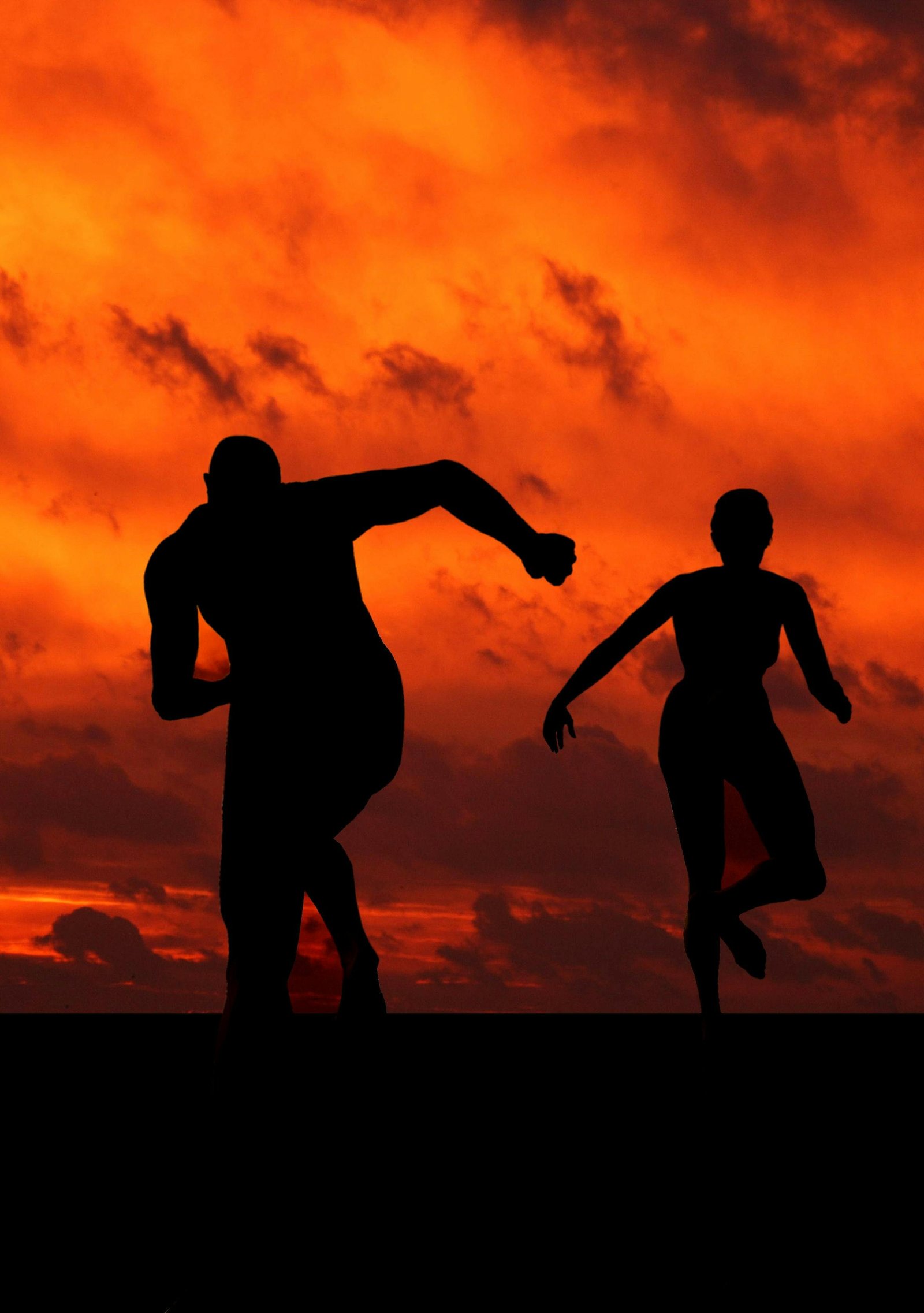
In urban areas around the world, the power of Sport to revitalize communities and enhance quality of life is being increasingly recognized. Sport has the ability to bring people together, improve physical and mental well-being, and create vibrant public spaces. As cities strive to prioritize sustainable urban development, sport is playing a key role in the redevelopment of urban spaces. This transformation is often supported by attestation and certification processes that ensure the effectiveness and long-term sustainability of these initiatives. One of the main benefits of integrating sport into urban redevelopment projects is the creation of multi-functional spaces that can serve a variety of purposes. For example, a vacant lot or underutilized area can be transformed into a sports complex that not only provides a space for recreation and physical activity but also becomes a hub for community gatherings and events. This type of mixed-use development fosters social interaction, promotes health and wellness, and contributes to the overall livability of the urban environment. However, to ensure the success of sport-based urban redevelopment projects, it is essential to have proper attestation and certification processes in place. These processes help verify that the projects meet established standards of design, construction, safety, and sustainability. By obtaining certifications from reputable organizations or authorities, developers and city planners can demonstrate their commitment to building high-quality, inclusive, and environmentally friendly sports facilities. Certifications related to sport urban redevelopment can cover a wide range of criteria, including accessibility for people with disabilities, energy efficiency, use of eco-friendly materials, and adherence to zoning regulations. By meeting these criteria, developers can create spaces that are not only aesthetically pleasing and functional but also environmentally conscious and socially equitable. This holistic approach to urban development ensures that sports facilities contribute positively to the overall fabric of the city and benefit residents of all ages and backgrounds. Moreover, attestation and certification processes provide assurance to stakeholders, including government agencies, nonprofit organizations, investors, and the local community, that the sport urban redevelopment projects are being implemented in a responsible and transparent manner. This accountability helps build trust and confidence in the projects, leading to greater support and long-term sustainability. In conclusion, sport has the potential to be a powerful catalyst for urban redevelopment, creating dynamic spaces that promote health, well-being, and social cohesion. Through attestation and certification processes, stakeholders can ensure that sport-based urban projects are designed and implemented to the highest standards of quality, safety, and sustainability. By prioritizing these processes, cities can harness the transformative power of sport to create vibrant, inclusive, and resilient urban environments for generations to come. For an extensive perspective, read https://www.attestative.com
https://desencadenar.org
https://periodization.org
https://constructional.org
Leave a Comment:
SEARCH
Recent News
- Zurich, Switzerland: The Ideal Destination for Sport Periodization
- Zurich, Switzerland: A Hub for Sports Championships
- Zurich, Switzerland has long been known for its exceptional quality of life, beautiful surroundings, and high standard of healthcare. In contrast, the Russian healthcare system has faced various challenges and struggles over the years. Let's delve into the differences between the healthcare systems in Zurich, Switzerland, and Russia.
- In the bustling city of Zurich, Switzerland, finding healthy fast food options can be a challenge. However, with a little exploration and curiosity, you can discover some fantastic spots that offer nutritious and delicious meals on the go.
- Maximizing Your YouTube Content Creation Strategy through Sport Periodization
- ## Cracking the Code: YouTube Content Creation and Translation in Sports Championships
- YouTube Content Creation: Exploring the Russian Healthcare System
- Are you looking for tips on creating YouTube content about healthy fast food options and the importance of translation in reaching a wider audience? Let's dive into how you can combine these two aspects to create engaging and informative videos for your channel.
READ MORE
8 months ago Category :

Zurich, Switzerland: The Ideal Destination for Sport Periodization
Read More →8 months ago Category :

Zurich, Switzerland: A Hub for Sports Championships
Read More →8 months ago Category :

Zurich, Switzerland has long been known for its exceptional quality of life, beautiful surroundings, and high standard of healthcare. In contrast, the Russian healthcare system has faced various challenges and struggles over the years. Let's delve into the differences between the healthcare systems in Zurich, Switzerland, and Russia.
Read More →8 months ago Category :
