Navigating Conflicts in Sporting Programs: A Historical Perspective
Category : | Sub Category : Posted on 2024-10-05 22:25:23
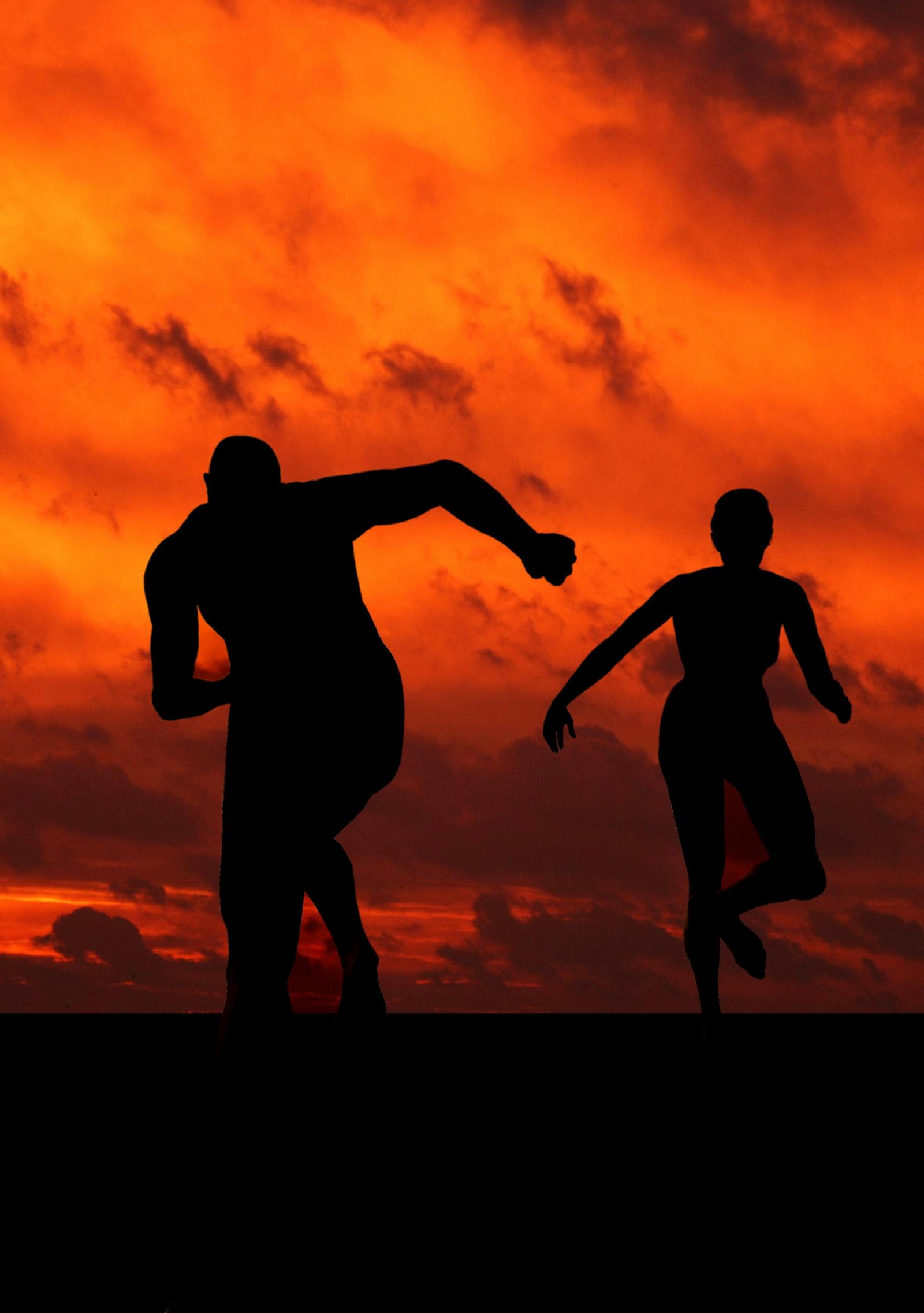
Introduction: sporting programs have long been a source of unity, competition, and entertainment. However, throughout history, conflicts and controversies have often arisen within these programs, shedding light on larger societal issues and dynamics. In this blog post, we will explore some notable instances of conflicts in sport programs and the impact they have had on history. The Berlin Olympics of 1936: One of the most famous instances of conflicts in sports programs is the 1936 Berlin Olympics, hosted by Nazi Germany. Adolf Hitler saw the games as an opportunity to promote Aryan racial superiority but faced opposition from many countries due to the regime's discriminatory policies. The participation of Jesse Owens, an African American athlete who won four gold medals, defied Hitler's beliefs and showcased the power of sport to challenge oppressive ideologies. The Black Power Salute at the 1968 Olympics: The 1968 Olympics in Mexico City were marked by a powerful display of protest and solidarity. During the medal ceremony for the men's 200m race, African American athletes Tommie Smith and John Carlos raised their fists in a Black Power salute to highlight racial inequality and injustice in the United States. This bold act sparked controversy but also galvanized support for the civil rights movement. Boycotts of the Olympics: Throughout history, various countries have boycotted the Olympics as a form of protest against political issues. The most notable boycotts include the United States and other Western countries boycotting the 1980 Moscow Olympics in response to the Soviet Union's invasion of Afghanistan, and the Soviet Union and its allies retaliating by boycotting the 1984 Los Angeles Olympics. These boycotts illustrated how sport can become entangled in larger geopolitical conflicts. Doping Scandals: Doping scandals have plagued the world of sports for decades, leading to conflicts over fair competition and integrity. The case of Russian state-sponsored doping at the 2014 Sochi Winter Olympics and subsequent bans on Russian athletes in international competitions exposed the widespread corruption and cheating that can undermine the spirit of sport. Efforts to combat doping continue to be a major focus in the sports world. Conclusion: Conflicts within sport programs have been instrumental in shaping history and bringing attention to social, political, and ethical issues. From challenging oppressive regimes to advocating for civil rights and exposing corruption, athletes and sporting events have played a pivotal role in driving change and sparking important conversations. As we continue to witness conflicts in sports, we must recognize the power of these moments to inspire positive transformation and progress both on and off the field. For more information: https://www.hochladen.org
https://periodization.org
Leave a Comment:
SEARCH
Recent News
- Zurich, Switzerland: The Ideal Destination for Sport Periodization
- Zurich, Switzerland: A Hub for Sports Championships
- Zurich, Switzerland has long been known for its exceptional quality of life, beautiful surroundings, and high standard of healthcare. In contrast, the Russian healthcare system has faced various challenges and struggles over the years. Let's delve into the differences between the healthcare systems in Zurich, Switzerland, and Russia.
- In the bustling city of Zurich, Switzerland, finding healthy fast food options can be a challenge. However, with a little exploration and curiosity, you can discover some fantastic spots that offer nutritious and delicious meals on the go.
- Maximizing Your YouTube Content Creation Strategy through Sport Periodization
- ## Cracking the Code: YouTube Content Creation and Translation in Sports Championships
- YouTube Content Creation: Exploring the Russian Healthcare System
- Are you looking for tips on creating YouTube content about healthy fast food options and the importance of translation in reaching a wider audience? Let's dive into how you can combine these two aspects to create engaging and informative videos for your channel.
READ MORE
9 months ago Category :

Zurich, Switzerland: The Ideal Destination for Sport Periodization
Read More →9 months ago Category :

Zurich, Switzerland: A Hub for Sports Championships
Read More →9 months ago Category :

Zurich, Switzerland has long been known for its exceptional quality of life, beautiful surroundings, and high standard of healthcare. In contrast, the Russian healthcare system has faced various challenges and struggles over the years. Let's delve into the differences between the healthcare systems in Zurich, Switzerland, and Russia.
Read More →9 months ago Category :
