The Intersection of Sport, Politics, and Cultural Diversity
Category : | Sub Category : Posted on 2024-10-05 22:25:23
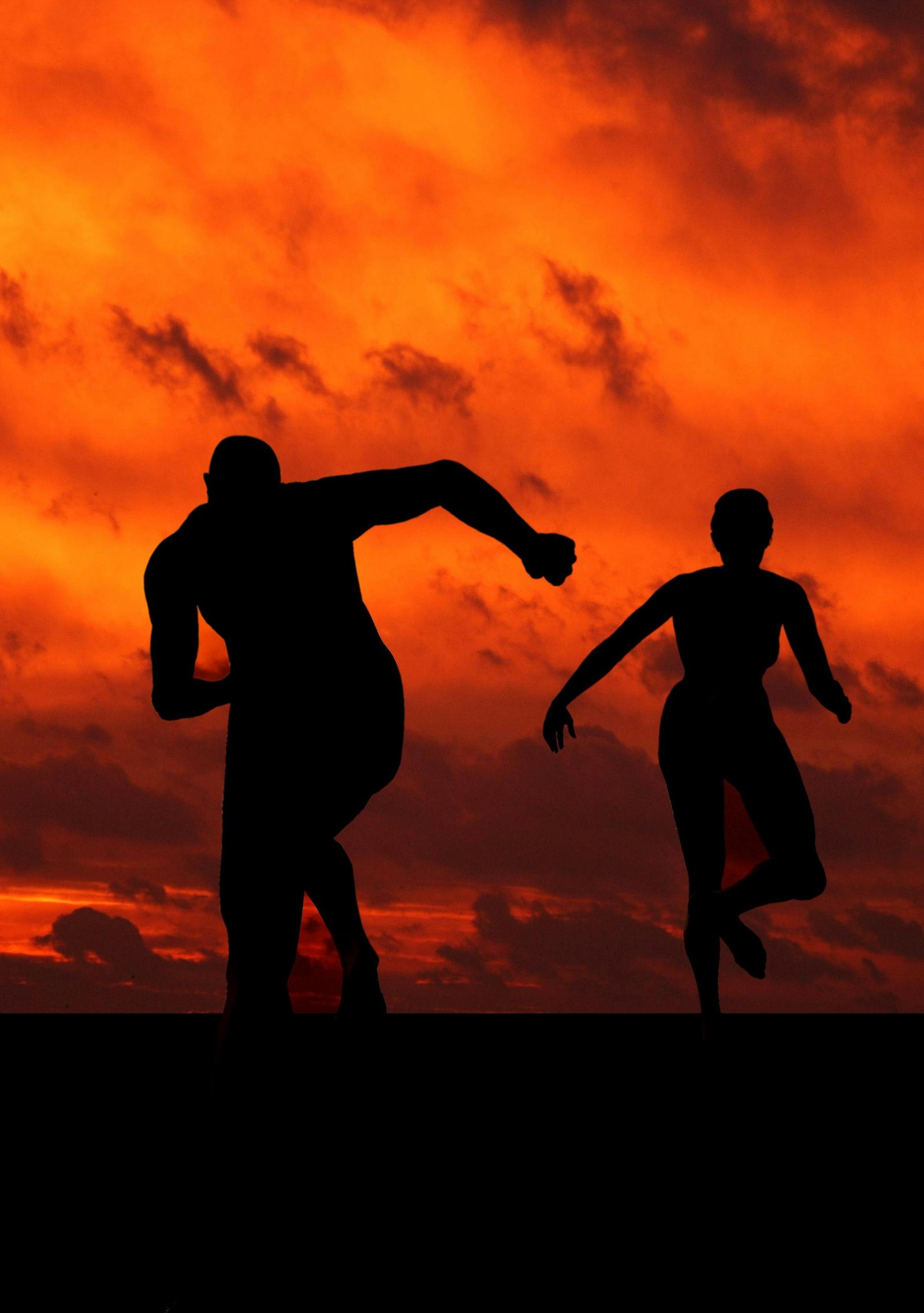
In recent years, the world of sports has become increasingly intertwined with politics and cultural diversity. Athletes have used their platforms to advocate for social justice, challenge traditional norms, and promote inclusivity. This intersection has sparked important conversations and brought to light the power of sports in shaping societal values. One of the most prominent examples of athletes engaging in political activism is the wave of protests against racial injustice that swept through the sporting world. From Colin Kaepernick taking a knee during the national anthem in the NFL to the US Women's National Soccer Team advocating for equal pay, athletes have refused to remain silent in the face of systemic racism. These actions have not only raised awareness but have also emphasized the responsibility that athletes have in advocating for change. Furthermore, sports have served as a unifying force in celebrating cultural diversity. International competitions like the Olympics and the World Cup bring together athletes from all corners of the globe, showcasing the richness of different cultures and traditions. These events provide a platform for countries to come together in friendly competition, promoting understanding and respect among diverse nations. On a more local level, sports have the power to bridge cultural divides within communities. Through sports leagues, clubs, and events, people from different backgrounds come together to participate in a shared passion. This fosters a sense of belonging and camaraderie, breaking down barriers and promoting inclusivity. However, the intersection of sport, politics, and cultural diversity is not without its challenges. As athletes speak out on controversial issues, they may face backlash from fans, sponsors, and even sports organizations. The line between athletics and activism can be a fine one, with some arguing that sports should remain apolitical. Despite these challenges, the fusion of sport, politics, and cultural diversity continues to evolve and shape the sporting landscape. Athletes and sports organizations have recognized the importance of using their platforms for positive change, whether it be advocating for human rights, promoting inclusivity, or celebrating cultural diversity. In conclusion, the intertwining of sport, politics, and cultural diversity has the potential to drive meaningful societal change. Athletes are no longer just competitors on the field; they are influential voices that have the power to inspire, educate, and unite people from all walks of life. By embracing this intersection and championing social causes, sports can truly become a force for positive transformation in the world.
https://periodization.org
Leave a Comment:
SEARCH
Recent News
- Zurich, Switzerland: The Ideal Destination for Sport Periodization
- Zurich, Switzerland: A Hub for Sports Championships
- Zurich, Switzerland has long been known for its exceptional quality of life, beautiful surroundings, and high standard of healthcare. In contrast, the Russian healthcare system has faced various challenges and struggles over the years. Let's delve into the differences between the healthcare systems in Zurich, Switzerland, and Russia.
- In the bustling city of Zurich, Switzerland, finding healthy fast food options can be a challenge. However, with a little exploration and curiosity, you can discover some fantastic spots that offer nutritious and delicious meals on the go.
- Maximizing Your YouTube Content Creation Strategy through Sport Periodization
- ## Cracking the Code: YouTube Content Creation and Translation in Sports Championships
- YouTube Content Creation: Exploring the Russian Healthcare System
- Are you looking for tips on creating YouTube content about healthy fast food options and the importance of translation in reaching a wider audience? Let's dive into how you can combine these two aspects to create engaging and informative videos for your channel.
READ MORE
9 months ago Category :

Zurich, Switzerland: The Ideal Destination for Sport Periodization
Read More →9 months ago Category :

Zurich, Switzerland: A Hub for Sports Championships
Read More →9 months ago Category :

Zurich, Switzerland has long been known for its exceptional quality of life, beautiful surroundings, and high standard of healthcare. In contrast, the Russian healthcare system has faced various challenges and struggles over the years. Let's delve into the differences between the healthcare systems in Zurich, Switzerland, and Russia.
Read More →9 months ago Category :
