Sports and Politics in the Congo: An Intricate Relationship
Category : | Sub Category : Posted on 2024-10-05 22:25:23
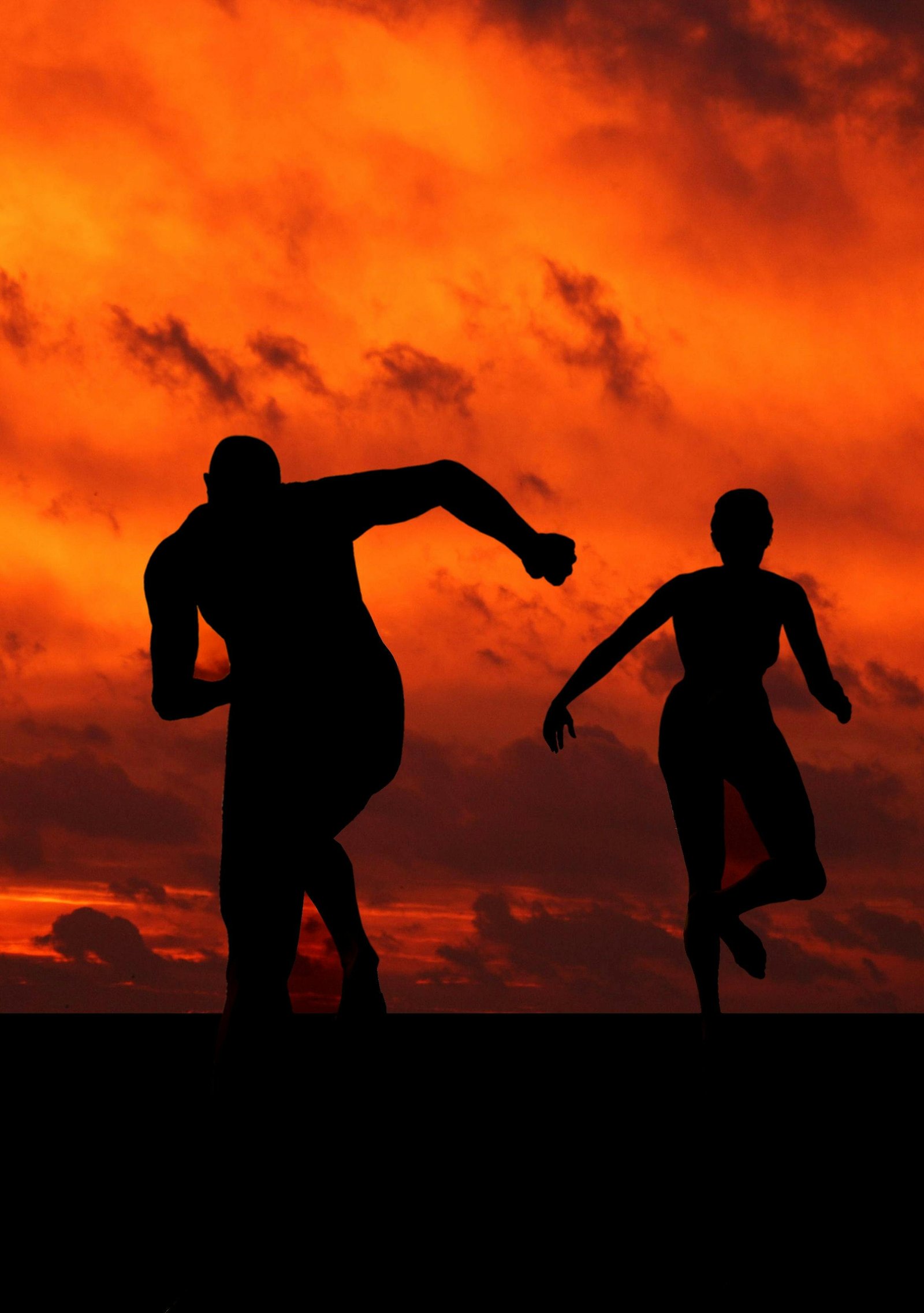
Sports and politics have often intertwined, creating a complex dynamic that impacts athletes, fans, and the nation as a whole. In the Democratic Republic of the Congo, commonly referred to as Congo, this relationship is no different. The intersection of sports and politics in Congo dates back to colonial times and continues to influence the country's sporting landscape today. One of the most notable instances of sports and politics colliding in Congo was during the reign of President Mobutu Sese Seko. Mobutu, who ruled the country for over three decades, used sports as a tool to promote his regime and project a positive image internationally. He heavily invested in sports infrastructure, particularly in football, and used sporting events as a means to bolster national pride and unity. However, this close association between sports and the government also led to allegations of corruption and mismanagement. More recently, the Congolese government's involvement in sports has been met with criticism and controversy. In 2018, the national football team faced challenges due to funding issues and disputes over player selection, highlighting the influence of political interference in sports administration. The government's control over sporting bodies and lack of transparency have raised concerns about the fairness and integrity of sports in the country. Despite these challenges, sports remain a significant part of Congolese culture and identity. Football, in particular, holds a special place in the hearts of many Congolese people, serving as a source of pride and unity. Sports have the power to transcend political divides and bring people together, showcasing the resilience and passion of the Congolese people. As Congo continues to navigate the intricate relationship between sports and politics, it is crucial to address the systemic issues that impact the integrity and development of sports in the country. By promoting transparency, accountability, and good governance in sports administration, Congo can harness the power of sports to unite its people and foster positive change in society. In conclusion, the link between sports and politics in Congo is a complex and multifaceted one that has both positive and negative implications. While sports have the potential to inspire and unite, political interference can hinder the progress and fairness of sporting activities. By recognizing these challenges and working towards solutions, Congo can create a more inclusive and transparent sports environment for the benefit of all. To understand this better, read https://www.topico.net For an in-depth analysis, I recommend reading https://www.tknl.org
https://periodization.org
Leave a Comment:
SEARCH
Recent News
- Zurich, Switzerland: The Ideal Destination for Sport Periodization
- Zurich, Switzerland: A Hub for Sports Championships
- Zurich, Switzerland has long been known for its exceptional quality of life, beautiful surroundings, and high standard of healthcare. In contrast, the Russian healthcare system has faced various challenges and struggles over the years. Let's delve into the differences between the healthcare systems in Zurich, Switzerland, and Russia.
- In the bustling city of Zurich, Switzerland, finding healthy fast food options can be a challenge. However, with a little exploration and curiosity, you can discover some fantastic spots that offer nutritious and delicious meals on the go.
- Maximizing Your YouTube Content Creation Strategy through Sport Periodization
- ## Cracking the Code: YouTube Content Creation and Translation in Sports Championships
- YouTube Content Creation: Exploring the Russian Healthcare System
- Are you looking for tips on creating YouTube content about healthy fast food options and the importance of translation in reaching a wider audience? Let's dive into how you can combine these two aspects to create engaging and informative videos for your channel.
READ MORE
9 months ago Category :

Zurich, Switzerland: The Ideal Destination for Sport Periodization
Read More →9 months ago Category :

Zurich, Switzerland: A Hub for Sports Championships
Read More →9 months ago Category :

Zurich, Switzerland has long been known for its exceptional quality of life, beautiful surroundings, and high standard of healthcare. In contrast, the Russian healthcare system has faced various challenges and struggles over the years. Let's delve into the differences between the healthcare systems in Zurich, Switzerland, and Russia.
Read More →9 months ago Category :
