The Intersection of Sport, Indian Business, and Architecture
Category : | Sub Category : Posted on 2024-10-05 22:25:23
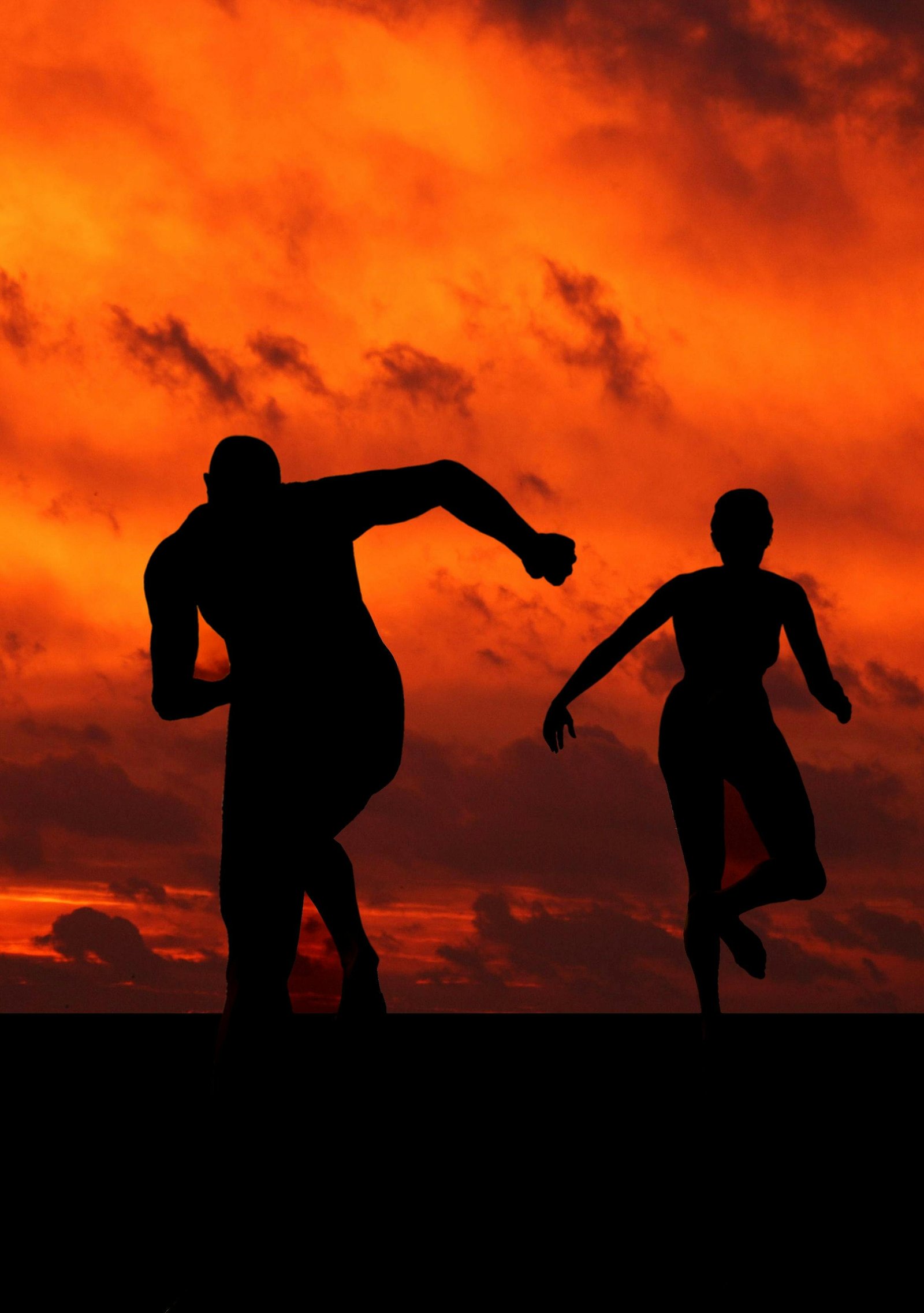
Introduction: sports, business, and architecture are three diverse fields that may seem unrelated at first glance. However, in India, these fields often intersect and influence each other in surprising ways. From state-of-the-art stadiums to sports sponsorship deals, the fusion of sport, Indian business, and architecture has created a dynamic landscape that reflects the country's passion for sports and its growing economy. The Impact of Major sporting Events: India has been increasingly investing in hosting and participating in major sporting events such as the Indian Premier League (IPL) in cricket, the Pro Kabaddi League, and international events like the Commonwealth Games and the FIFA U-17 World Cup. These events have not only fueled the growth of sports as an industry but have also led to a boom in infrastructure development. Architects are challenged to design modern stadiums and sports facilities that not only meet international standards but also showcase India's architectural prowess on a global stage. Business Opportunities in Sports: The sports industry in India is booming, and businesses are capitalizing on this trend. Indian business tycoons are investing in sports teams, athletes, and sports leagues to leverage the growing fan base and commercial opportunities. This influx of private investment has led to the construction of state-of-the-art training facilities, sports academies, and sports complexes that require innovative architectural solutions to combine functionality with aesthetic appeal. Architectural Innovation in Sports Facilities: Architects play a crucial role in shaping the sports infrastructure in India. They are tasked with designing stadiums that can accommodate large crowds, provide top-notch facilities for athletes and spectators, and reflect the cultural identity of the region. The integration of sustainable design practices, technological advancements, and unique architectural styles has transformed sports facilities into iconic landmarks that not only host sporting events but also serve as symbols of national pride and achievement. Case Studies: One prominent example of the intersection of sport, Indian business, and architecture is the Sardar Patel Stadium in Ahmedabad, also known as Motera Stadium. Renovated in 2020, the stadium now holds the record for being the world's largest cricket stadium, with a seating capacity of over 100,000 spectators. The project was not only a testament to India's commitment to cricket but also showcased the collaboration between business, sports, and architecture to create a cutting-edge sports facility. Conclusion: The convergence of sport, Indian business, and architecture is evident in the country's ambitious endeavors to promote sports, engage the business community, and showcase architectural innovation. As India continues to embrace sports as a key driver of economic growth and national pride, the role of architecture in shaping sports infrastructure will be more crucial than ever. By fostering collaboration between these three fields, India can create a legacy of world-class sports facilities that inspire future generations and propel the country to new heights on the global stage.
https://continuar.org
https://periodization.org
Leave a Comment:
SEARCH
Recent News
- Zurich, Switzerland: The Ideal Destination for Sport Periodization
- Zurich, Switzerland: A Hub for Sports Championships
- Zurich, Switzerland has long been known for its exceptional quality of life, beautiful surroundings, and high standard of healthcare. In contrast, the Russian healthcare system has faced various challenges and struggles over the years. Let's delve into the differences between the healthcare systems in Zurich, Switzerland, and Russia.
- In the bustling city of Zurich, Switzerland, finding healthy fast food options can be a challenge. However, with a little exploration and curiosity, you can discover some fantastic spots that offer nutritious and delicious meals on the go.
- Maximizing Your YouTube Content Creation Strategy through Sport Periodization
- ## Cracking the Code: YouTube Content Creation and Translation in Sports Championships
- YouTube Content Creation: Exploring the Russian Healthcare System
- Are you looking for tips on creating YouTube content about healthy fast food options and the importance of translation in reaching a wider audience? Let's dive into how you can combine these two aspects to create engaging and informative videos for your channel.
READ MORE
9 months ago Category :

Zurich, Switzerland: The Ideal Destination for Sport Periodization
Read More →9 months ago Category :

Zurich, Switzerland: A Hub for Sports Championships
Read More →9 months ago Category :

Zurich, Switzerland has long been known for its exceptional quality of life, beautiful surroundings, and high standard of healthcare. In contrast, the Russian healthcare system has faced various challenges and struggles over the years. Let's delve into the differences between the healthcare systems in Zurich, Switzerland, and Russia.
Read More →9 months ago Category :
