Sport and Diplomacy: Fostering Connections through Group Projects
Category : | Sub Category : Posted on 2024-10-05 22:25:23
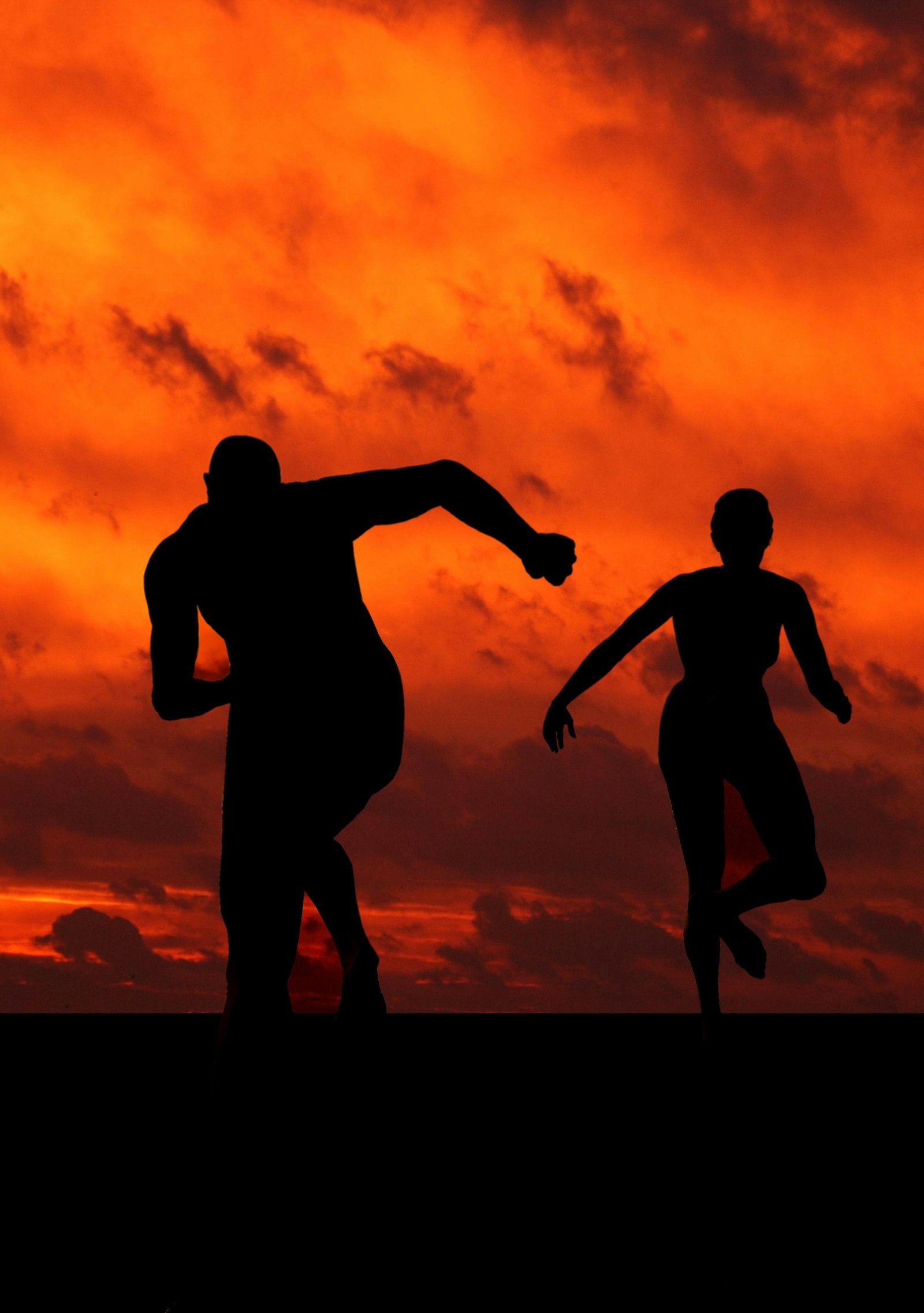
In today's globalized world, Sports have become a powerful tool for fostering diplomacy and building connections between nations. When combined with group projects, the impact of sports in promoting understanding and cooperation among countries is even more profound. Let's delve into how sport group projects can serve as a platform for diplomacy and international relations. 1. Building Bridges: When a group of individuals from different countries come together to participate in a sports project, they often form strong bonds that go beyond the field. Through shared experiences, teamwork, and mutual goals, participants develop a sense of camaraderie and understanding that transcends cultural differences. These connections serve as the foundation for diplomatic relations between countries, paving the way for meaningful interactions and collaborations. 2. Promoting Cultural Exchange: Sports group projects provide a unique opportunity for participants to learn about each other's cultures, traditions, and values. By engaging in cultural exchange activities alongside their athletic pursuits, individuals gain valuable insights into the diverse perspectives and practices of their teammates. This exposure fosters tolerance, respect, and appreciation for different ways of life, contributing to a more inclusive and harmonious global community. 3. Encouraging Collaboration: Teamwork is a fundamental aspect of sports group projects, requiring individuals to work together towards a common objective. This collaborative spirit extends beyond the playing field and can be harnessed to address shared challenges and achieve common goals on a broader scale. By leveraging the skills and expertise of team members from various backgrounds, countries can tackle complex issues and promote diplomacy through joint initiatives and projects. 4. Enhancing Soft Diplomacy: Soft diplomacy refers to the use of cultural, educational, and sports exchanges to foster goodwill and enhance mutual understanding between nations. Sports group projects exemplify soft diplomacy in action, as they create opportunities for positive interactions, dialogue, and relationship-building among participants. By engaging in friendly competition and shared activities, individuals develop trust and establish networks that transcend political divides, laying the groundwork for future collaborations and partnerships. 5. Inspiring Youth Leadership: Sports group projects often involve young athletes who have the potential to become future leaders and ambassadors for their countries. By empowering youth to take on leadership roles, contribute ideas, and drive initiatives within their teams, sports projects nurture the next generation of diplomats and changemakers. These emerging leaders bring fresh perspectives, innovative solutions, and a passion for positive change to the realm of international relations, shaping a more interconnected and peaceful world. In conclusion, sport group projects have the power to serve as a catalyst for diplomacy by fostering connections, promoting cultural exchange, encouraging collaboration, enhancing soft diplomacy, and inspiring youth leadership. By harnessing the unifying force of sports, individuals and nations can forge meaningful relationships, bridge divides, and work towards a more inclusive and cooperative global community. Through teamwork, mutual respect, and shared experiences, sports can transcend boundaries and pave the way for a brighter future built on understanding and cooperation.
https://periodization.org
Leave a Comment:
SEARCH
Recent News
- Zurich, Switzerland: The Ideal Destination for Sport Periodization
- Zurich, Switzerland: A Hub for Sports Championships
- Zurich, Switzerland has long been known for its exceptional quality of life, beautiful surroundings, and high standard of healthcare. In contrast, the Russian healthcare system has faced various challenges and struggles over the years. Let's delve into the differences between the healthcare systems in Zurich, Switzerland, and Russia.
- In the bustling city of Zurich, Switzerland, finding healthy fast food options can be a challenge. However, with a little exploration and curiosity, you can discover some fantastic spots that offer nutritious and delicious meals on the go.
- Maximizing Your YouTube Content Creation Strategy through Sport Periodization
- ## Cracking the Code: YouTube Content Creation and Translation in Sports Championships
- YouTube Content Creation: Exploring the Russian Healthcare System
- Are you looking for tips on creating YouTube content about healthy fast food options and the importance of translation in reaching a wider audience? Let's dive into how you can combine these two aspects to create engaging and informative videos for your channel.
READ MORE
8 months ago Category :

Zurich, Switzerland: The Ideal Destination for Sport Periodization
Read More →8 months ago Category :

Zurich, Switzerland: A Hub for Sports Championships
Read More →8 months ago Category :

Zurich, Switzerland has long been known for its exceptional quality of life, beautiful surroundings, and high standard of healthcare. In contrast, the Russian healthcare system has faced various challenges and struggles over the years. Let's delve into the differences between the healthcare systems in Zurich, Switzerland, and Russia.
Read More →8 months ago Category :
