The Role of Sport Groups in Combating Corruption and Balancing Religious Power
Category : | Sub Category : Posted on 2024-10-05 22:25:23
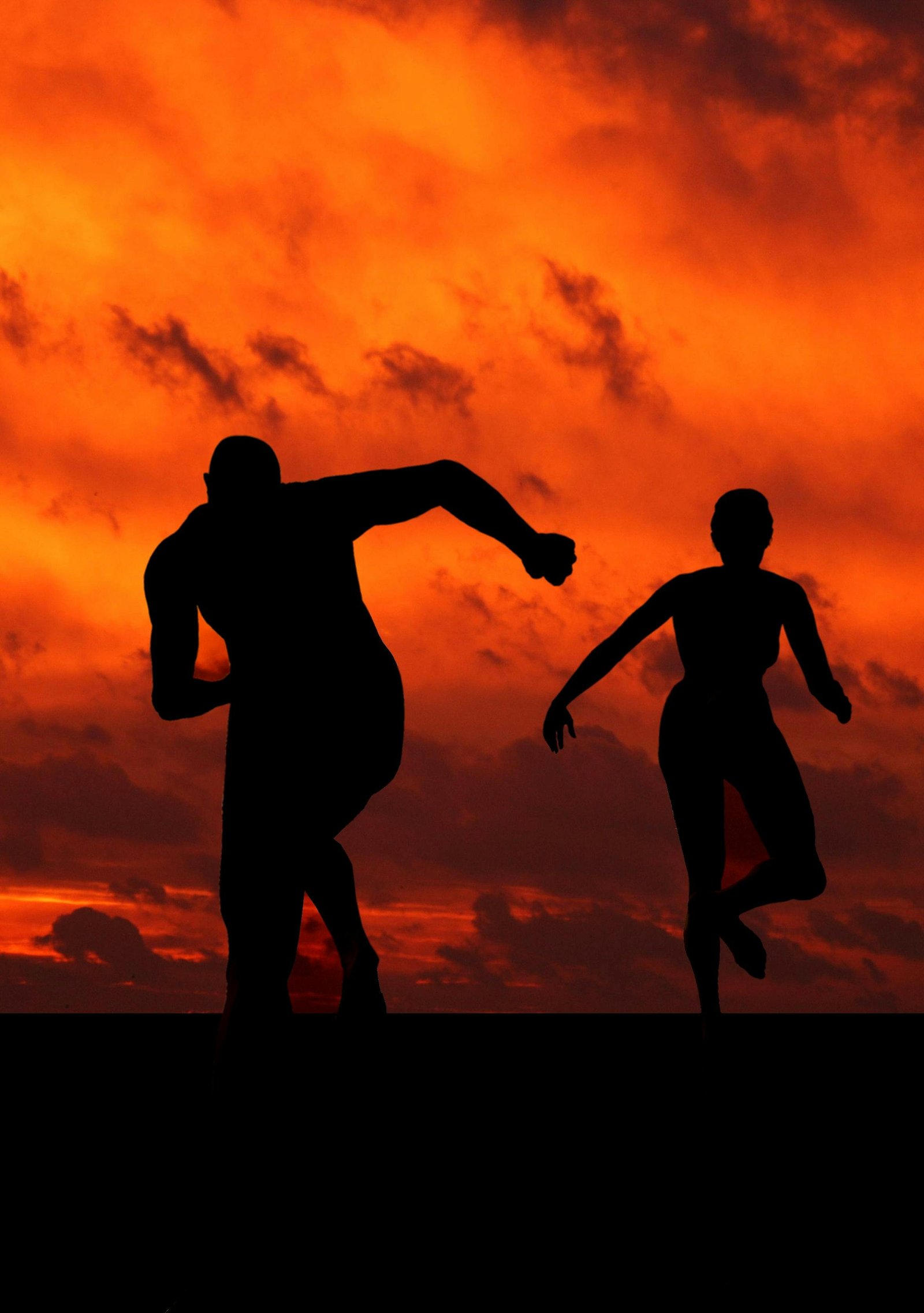
In today's world, the realms of sports, politics, corruption, and religious power often intersect in unexpected ways. Despite the positive values that sports typically embody, instances of corruption and misuse of religious influence can threaten the integrity of both the sporting world and society at large. In this context, Sport groups comprising seven members can play a pivotal role in fostering accountability, transparency, and ethical behavior while also addressing imbalances in religious power. Corruption within the sporting industry can manifest in various forms, such as match-fixing, bribery, doping scandals, and mismanagement of funds. These unethical practices not only tarnish the reputation of the sport but also erode the trust of fans and stakeholders. By establishing a group of seven dedicated members tasked with monitoring and reporting any suspicious activities, sports organizations can root out corruption and uphold fair play. Moreover, the influence of religious power within sports can sometimes blur the lines between faith and athletic competition. Instances where religious institutions exert control or manipulate outcomes for their benefit can lead to discrimination, bias, and the alienation of certain groups. By having a diverse group of seven members within sport organizations, representing different backgrounds and beliefs, a more inclusive and balanced approach can be achieved, ensuring that religious power does not infringe upon the principles of fairness and equality in sports. Sport groups with a focus on combating corruption and balancing religious power can implement various projects to promote integrity and diversity within the sporting world. These projects may include: 1. Education and awareness campaigns to inform athletes, officials, and fans about the risks of corruption and the importance of upholding ethical standards. 2. Implementing robust governance structures and oversight mechanisms to prevent conflicts of interest and hold individuals accountable for their actions. 3. Engaging in interfaith dialogues and initiatives to foster understanding and cooperation between different religious groups involved in sports. 4. Encouraging the participation of marginalized communities and underrepresented groups in sports, ensuring equal opportunities for all individuals regardless of their religious background. By actively engaging in these projects, sport groups can cultivate a culture of transparency, integrity, and inclusivity within the sporting world. Through their collective efforts, they can serve as watchdogs against corruption and imbalances in religious power, ultimately contributing to a more equitable and harmonious environment for athletes, fans, and stakeholders alike. In conclusion, the intersection of sport, corruption, and religious power underscores the need for proactive measures to safeguard the integrity and fairness of the sporting world. Sport groups comprising seven members can play a crucial role in spearheading initiatives that promote accountability, transparency, and diversity while countering the negative effects of corruption and religious influence. By working together towards a common goal, sport groups can help build a more ethical and equitable sports industry for present and future generations to enjoy.
https://sunpowerpanels.com
https://religieuse.org
https://periodization.org
Leave a Comment:
SEARCH
Recent News
- Zurich, Switzerland: The Ideal Destination for Sport Periodization
- Zurich, Switzerland: A Hub for Sports Championships
- Zurich, Switzerland has long been known for its exceptional quality of life, beautiful surroundings, and high standard of healthcare. In contrast, the Russian healthcare system has faced various challenges and struggles over the years. Let's delve into the differences between the healthcare systems in Zurich, Switzerland, and Russia.
- In the bustling city of Zurich, Switzerland, finding healthy fast food options can be a challenge. However, with a little exploration and curiosity, you can discover some fantastic spots that offer nutritious and delicious meals on the go.
- Maximizing Your YouTube Content Creation Strategy through Sport Periodization
- ## Cracking the Code: YouTube Content Creation and Translation in Sports Championships
- YouTube Content Creation: Exploring the Russian Healthcare System
- Are you looking for tips on creating YouTube content about healthy fast food options and the importance of translation in reaching a wider audience? Let's dive into how you can combine these two aspects to create engaging and informative videos for your channel.
READ MORE
11 months ago Category :

Zurich, Switzerland: The Ideal Destination for Sport Periodization
Read More →11 months ago Category :

Zurich, Switzerland: A Hub for Sports Championships
Read More →11 months ago Category :

Zurich, Switzerland has long been known for its exceptional quality of life, beautiful surroundings, and high standard of healthcare. In contrast, the Russian healthcare system has faced various challenges and struggles over the years. Let's delve into the differences between the healthcare systems in Zurich, Switzerland, and Russia.
Read More →11 months ago Category :
