The Impact of Sport on Group Projects in Myanmar
Category : | Sub Category : Posted on 2024-10-05 22:25:23
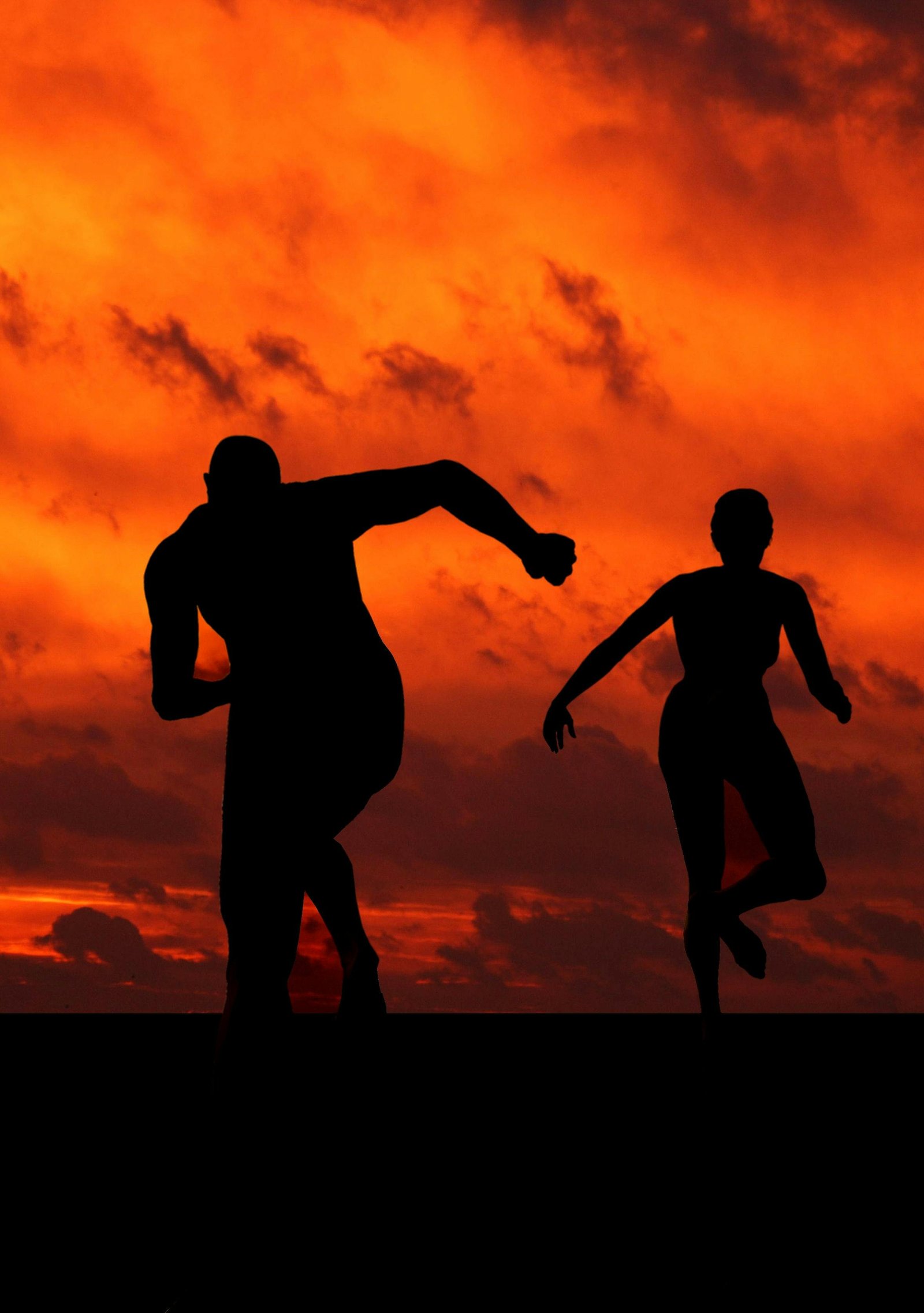
sport has always been a powerful tool for bringing people together, fostering teamwork, and promoting physical and mental well-being. In Myanmar, formerly known as Burma, sports have played a significant role in the lives of many, including members of group projects seeking to make a difference in their communities. Let's explore the impact of sport on group projects in Myanmar and how it has contributed to their success. In a country rich in culture and history, Myanmar is home to diverse communities working together to address social and environmental challenges. Group projects in Myanmar often focus on areas such as education, health, environmental conservation, and community development. These projects require collaboration, communication, and teamwork among members to successfully achieve their goals. Sport serves as a perfect platform for building these essential skills. When group members engage in sports activities together, they learn to trust each other, communicate effectively, and work towards a common objective. Whether it's playing football, volleyball, or traditional Burmese sports like chinlone, the spirit of teamwork and camaraderie cultivated through sports translates seamlessly into the group project setting. Moreover, participating in sports helps group members stay physically active and maintain a healthy lifestyle. A healthy body and mind are crucial for sustaining the energy and motivation needed to drive a group project forward. Physical activity also boosts creativity, problem-solving skills, and overall well-being, making members more productive and resilient in the face of challenges. In addition, sports have the power to break down barriers and foster inclusivity within group projects. Regardless of one's background, language, or status, sports provide a level playing field where everyone can participate and contribute equally. This sense of equality and respect established through sports creates a more harmonious and supportive environment for group members to collaborate and innovate. Furthermore, sports help group members develop leadership qualities, discipline, and resilience – traits that are indispensable when navigating the complexities of a group project in Myanmar. Through sports, individuals learn to take responsibility, make quick decisions, and overcome setbacks, preparing them to effectively lead and inspire their team towards success. In conclusion, the relationship between sport and group projects in Myanmar is a powerful synergy that drives positive change and transformation in communities across the country. By embracing the values of teamwork, health, inclusivity, and leadership inherent in sports, group members are better equipped to address pressing social issues and create a lasting impact on society. As we continue to witness the profound influence of sports on group projects in Myanmar, let us recognize and celebrate the role of sports in empowering individuals, uniting communities, and driving meaningful change for a better future.
https://periodization.org
Leave a Comment:
SEARCH
Recent News
- Zurich, Switzerland: The Ideal Destination for Sport Periodization
- Zurich, Switzerland: A Hub for Sports Championships
- Zurich, Switzerland has long been known for its exceptional quality of life, beautiful surroundings, and high standard of healthcare. In contrast, the Russian healthcare system has faced various challenges and struggles over the years. Let's delve into the differences between the healthcare systems in Zurich, Switzerland, and Russia.
- In the bustling city of Zurich, Switzerland, finding healthy fast food options can be a challenge. However, with a little exploration and curiosity, you can discover some fantastic spots that offer nutritious and delicious meals on the go.
- Maximizing Your YouTube Content Creation Strategy through Sport Periodization
- ## Cracking the Code: YouTube Content Creation and Translation in Sports Championships
- YouTube Content Creation: Exploring the Russian Healthcare System
- Are you looking for tips on creating YouTube content about healthy fast food options and the importance of translation in reaching a wider audience? Let's dive into how you can combine these two aspects to create engaging and informative videos for your channel.
READ MORE
8 months ago Category :

Zurich, Switzerland: The Ideal Destination for Sport Periodization
Read More →8 months ago Category :

Zurich, Switzerland: A Hub for Sports Championships
Read More →8 months ago Category :

Zurich, Switzerland has long been known for its exceptional quality of life, beautiful surroundings, and high standard of healthcare. In contrast, the Russian healthcare system has faced various challenges and struggles over the years. Let's delve into the differences between the healthcare systems in Zurich, Switzerland, and Russia.
Read More →8 months ago Category :
