Ancient civilizations such as the Egyptians, Greeks, and Romans were pioneers in many fields, including the use of dyes and pigments for various purposes. One lesser-known aspect of their use of dyes and pigments is in the realm of sports and athletic competitions.
Category : | Sub Category : Posted on 2024-10-05 22:25:23
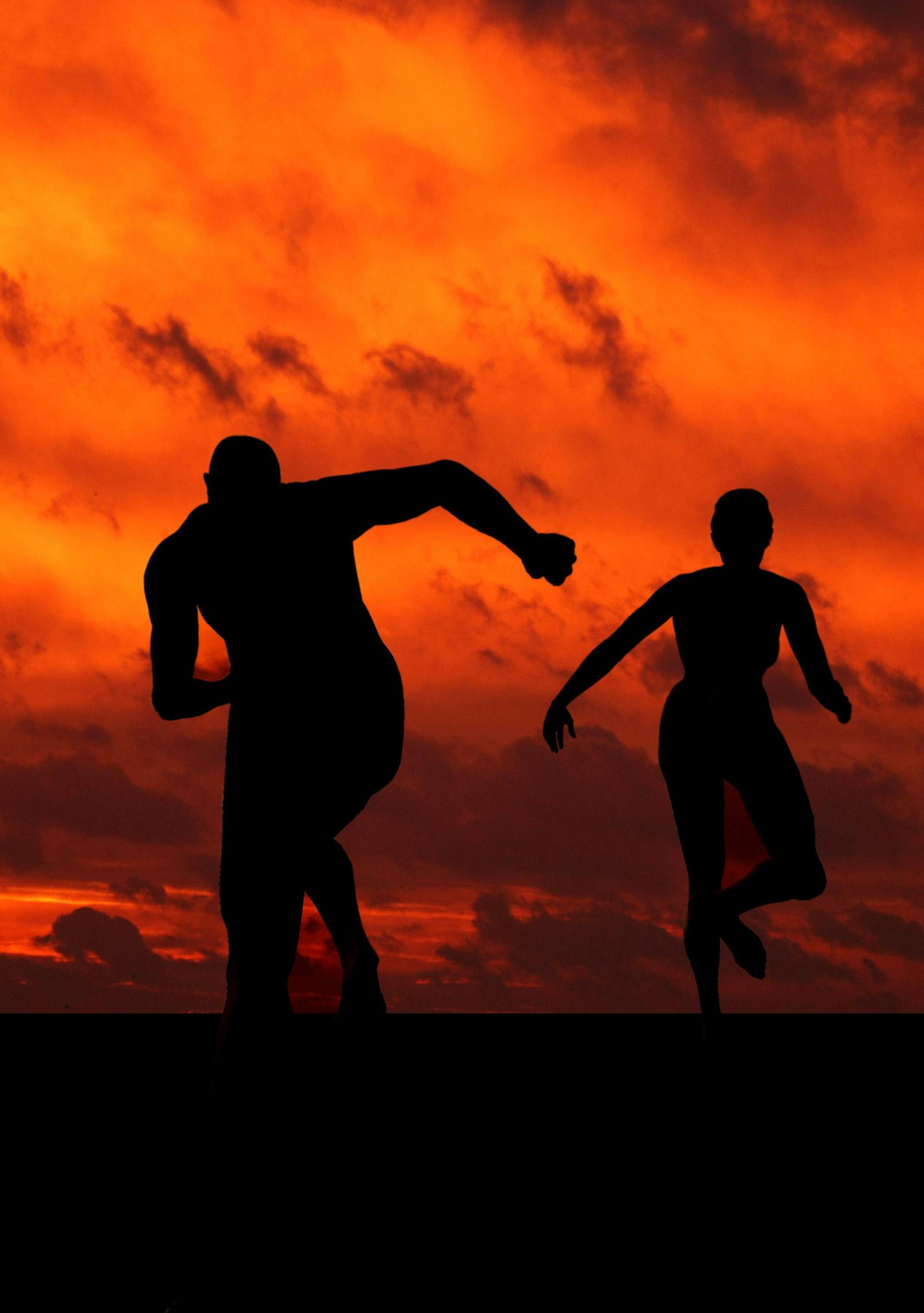
In ancient times, sports played a significant role in the lives of people in various civilizations. From the Olympic Games in ancient Greece to chariot racing in Rome, sports were a central part of daily life and entertainment. To add an extra element of excitement and spectacle to these sporting events, ancient civilizations often used dyes and pigments to enhance the visual appeal of athletes and their equipment. For example, in ancient Greece, athletes competing in the Olympic Games would often apply red ochre dye to their bodies as a symbol of strength and power. The use of red dye was not just for aesthetic purposes; it was also believed to provide protection and shield the athletes from harm during intense physical activities. In ancient Rome, chariot races were a popular form of entertainment, with charioteers competing in colorful and elaborate outfits. Dyes and pigments derived from natural sources such as plants and minerals were used to create vibrant shades of red, blue, green, and purple to distinguish the competing teams and add to the spectacle of the races. The Egyptians, known for their advancements in art and technology, also used dyes and pigments in sports and recreational activities. Hieroglyphic inscriptions and ancient artifacts depict scenes of sporting events where athletes and participants are adorned with colorful garments and accessories created using dyes made from natural materials. Overall, the use of dyes and pigments in sports and athletic competitions by ancient civilizations serves as a testament to their creativity, ingenuity, and appreciation for visual aesthetics. Through the application of vibrant colors and patterns, athletes in ancient times were able to not only showcase their physical prowess but also express cultural symbols and beliefs through their appearance in sporting events. Want a more profound insight? Consult https://www.cotidiano.org For more information about this: https://www.topico.net For a different perspective, see: https://www.tknl.org
https://periodization.org
https://constructional.org
Leave a Comment:
SEARCH
Recent News
- Zurich, Switzerland: The Ideal Destination for Sport Periodization
- Zurich, Switzerland: A Hub for Sports Championships
- Zurich, Switzerland has long been known for its exceptional quality of life, beautiful surroundings, and high standard of healthcare. In contrast, the Russian healthcare system has faced various challenges and struggles over the years. Let's delve into the differences between the healthcare systems in Zurich, Switzerland, and Russia.
- In the bustling city of Zurich, Switzerland, finding healthy fast food options can be a challenge. However, with a little exploration and curiosity, you can discover some fantastic spots that offer nutritious and delicious meals on the go.
- Maximizing Your YouTube Content Creation Strategy through Sport Periodization
- ## Cracking the Code: YouTube Content Creation and Translation in Sports Championships
- YouTube Content Creation: Exploring the Russian Healthcare System
- Are you looking for tips on creating YouTube content about healthy fast food options and the importance of translation in reaching a wider audience? Let's dive into how you can combine these two aspects to create engaging and informative videos for your channel.
READ MORE
11 months ago Category :

Zurich, Switzerland: The Ideal Destination for Sport Periodization
Read More →11 months ago Category :

Zurich, Switzerland: A Hub for Sports Championships
Read More →11 months ago Category :

Zurich, Switzerland has long been known for its exceptional quality of life, beautiful surroundings, and high standard of healthcare. In contrast, the Russian healthcare system has faced various challenges and struggles over the years. Let's delve into the differences between the healthcare systems in Zurich, Switzerland, and Russia.
Read More →11 months ago Category :
