Sports and Politics: Exploring the Intersection of Sport Cultures and Politics
Category : | Sub Category : Posted on 2024-10-05 22:25:23
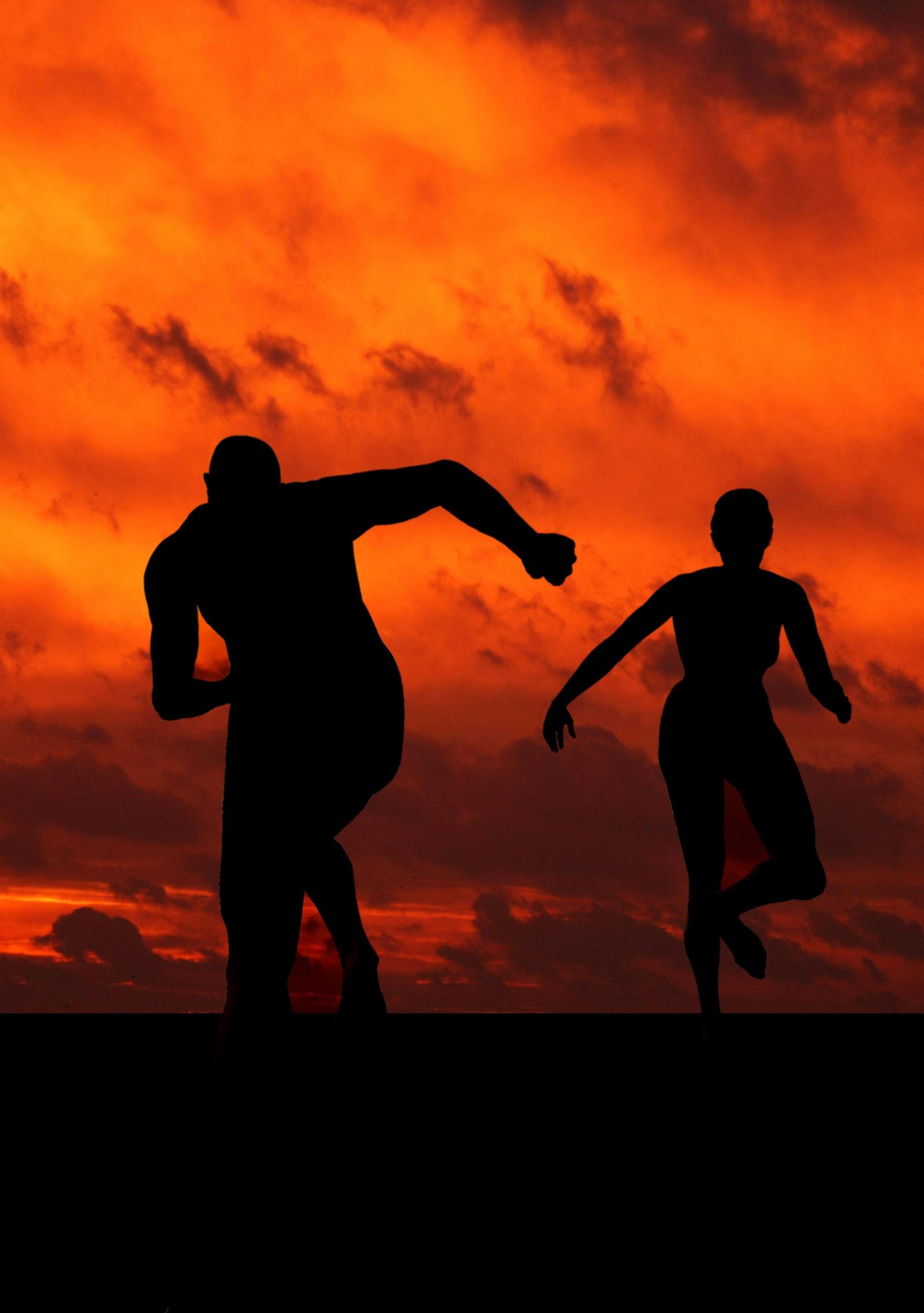
sports have long been intertwined with politics, with athletes and sporting events often serving as platforms for social and political change. The relationship between sport cultures and politics is complex and multifaceted, leading to both positive and negative outcomes. In this blog post, we will delve into the various ways in which sports and politics intersect, and the impact this intersection has on societies around the world. One of the most prominent ways in which sport cultures and politics collide is through athlete activism. Throughout history, athletes have used their platform and influence to speak out on social and political issues. From Muhammad Ali's refusal to fight in the Vietnam War to Colin Kaepernick's kneeling during the national anthem in protest against police brutality, athletes have played a crucial role in shaping public discourse and raising awareness about important issues. Moreover, sporting events themselves can also become politicized. International competitions like the Olympics and the World Cup often serve as arenas for political tensions to play out. Countries may boycott events, use them as propaganda tools, or leverage them to improve diplomatic relations. The 1980 Olympics in Moscow and the 2008 Beijing Olympics are just a few examples of how sports can become entangled in geopolitics. Furthermore, the governance of sports is another area where politics comes into play. The selection of host cities for major sporting events, the allocation of resources for sports development, and even the regulation of doping in sports are all political decisions that can have far-reaching implications. Corruption and controversy within sports governing bodies have also highlighted the need for political involvement to ensure transparency and accountability. On the flip side, the politicization of sports can also have negative consequences. The use of sports for political gain can overshadow the spirit of competition and fair play, leading to issues of discrimination, corruption, and exploitation. Athletes who speak out on controversial issues may face backlash and backlash, putting their careers and livelihoods at risk. In conclusion, the relationship between sport cultures and politics is a rich and complex one that continues to evolve over time. While sports have the power to bring people together, inspire change, and promote unity, they can also be a battleground for political agendas and power struggles. As we navigate this intersection, it is crucial for stakeholders to consider the ethical implications and strive for a balance that upholds the principles of sportsmanship, integrity, and social justice. You can also check following website for more information about this subject: https://www.culturelle.org
https://periodization.org
Leave a Comment:
SEARCH
Recent News
- Zurich, Switzerland: The Ideal Destination for Sport Periodization
- Zurich, Switzerland: A Hub for Sports Championships
- Zurich, Switzerland has long been known for its exceptional quality of life, beautiful surroundings, and high standard of healthcare. In contrast, the Russian healthcare system has faced various challenges and struggles over the years. Let's delve into the differences between the healthcare systems in Zurich, Switzerland, and Russia.
- In the bustling city of Zurich, Switzerland, finding healthy fast food options can be a challenge. However, with a little exploration and curiosity, you can discover some fantastic spots that offer nutritious and delicious meals on the go.
- Maximizing Your YouTube Content Creation Strategy through Sport Periodization
- ## Cracking the Code: YouTube Content Creation and Translation in Sports Championships
- YouTube Content Creation: Exploring the Russian Healthcare System
- Are you looking for tips on creating YouTube content about healthy fast food options and the importance of translation in reaching a wider audience? Let's dive into how you can combine these two aspects to create engaging and informative videos for your channel.
READ MORE
11 months ago Category :

Zurich, Switzerland: The Ideal Destination for Sport Periodization
Read More →11 months ago Category :

Zurich, Switzerland: A Hub for Sports Championships
Read More →11 months ago Category :

Zurich, Switzerland has long been known for its exceptional quality of life, beautiful surroundings, and high standard of healthcare. In contrast, the Russian healthcare system has faced various challenges and struggles over the years. Let's delve into the differences between the healthcare systems in Zurich, Switzerland, and Russia.
Read More →11 months ago Category :
