Embracing Cultural Diversity in Ancient Civilizations Through Sport
Category : | Sub Category : Posted on 2024-10-05 22:25:23
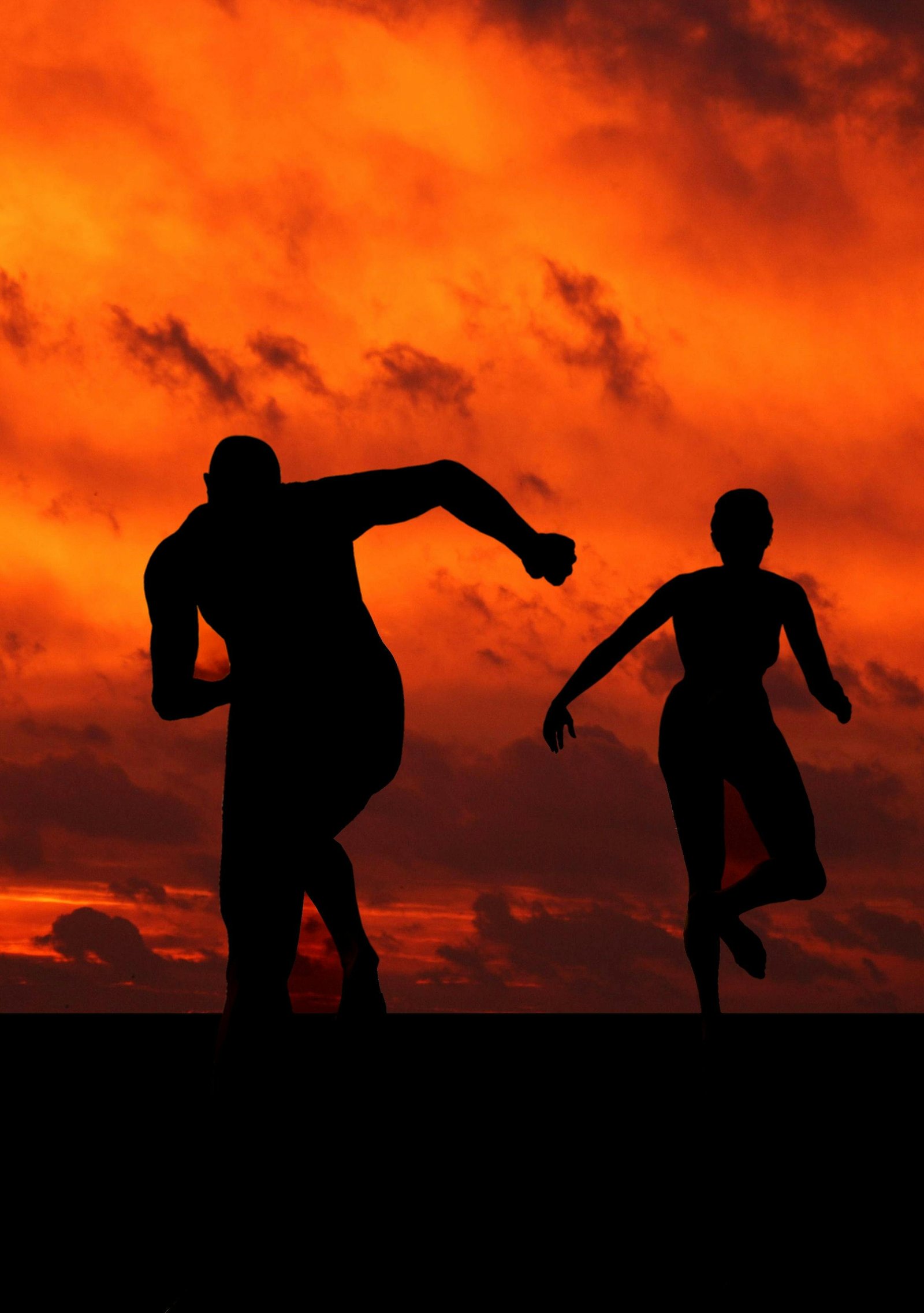
In the ancient world, sport was a key component of many civilizations, serving as a unifying force that transcended cultural boundaries and brought people together. From the competitive games in Ancient Greece to the ball games of Mesoamerica, sports played a significant role in promoting cultural diversity and fostering connections between different societies. One of the most well-known examples of sports promoting cultural exchange is the Olympic Games in Ancient Greece. Held every four years in Olympia, the games attracted athletes and spectators from various city-states and regions, creating a melting pot of different cultures. Despite their differences, participants competed in a spirit of fairness and unity, showcasing the power of sports to bridge cultural divides. Similarly, in Mesoamerica, ball games were a common practice among civilizations such as the Maya and Aztecs. These games were not just a form of entertainment but also a way to honor deities, settle disputes, and forge alliances between different communities. The ball courts became places where people from diverse backgrounds could come together, share their traditions, and celebrate their unique cultural identities. Beyond the competitive aspect, sports in ancient civilizations also served as a way to pass down traditions and values from generation to generation. Through athletic contests and rituals, people preserved their cultural heritage and instilled a sense of pride in their identity. For example, the chariot races in Ancient Rome were not only a spectacle of skill and athleticism but also a reflection of Roman values such as honor, glory, and unity. Today, as we strive to build a more inclusive society, we can look to the examples set by ancient civilizations and their approach to sport as a means of fostering cultural diversity. By embracing sports as a platform for dialogue, understanding, and cooperation, we can celebrate the richness of our differences and work towards a more harmonious world where everyone's unique heritage is acknowledged and valued. In conclusion, the intersection of sport and cultural diversity in ancient civilizations teaches us valuable lessons about the power of inclusivity and unity. Through the medium of sports, people from different backgrounds were able to come together, appreciate each other's traditions, and forge lasting connections that transcended linguistic, religious, and political barriers. As we continue to champion diversity in our modern world, let us draw inspiration from the past and recognize the role that sports can play in promoting mutual respect, acceptance, and collaboration across cultures. For a different perspective, see: https://www.topico.net For a different take on this issue, see https://www.tknl.org
https://periodization.org
https://constructional.org
Leave a Comment:
SEARCH
Recent News
- Zurich, Switzerland: The Ideal Destination for Sport Periodization
- Zurich, Switzerland: A Hub for Sports Championships
- Zurich, Switzerland has long been known for its exceptional quality of life, beautiful surroundings, and high standard of healthcare. In contrast, the Russian healthcare system has faced various challenges and struggles over the years. Let's delve into the differences between the healthcare systems in Zurich, Switzerland, and Russia.
- In the bustling city of Zurich, Switzerland, finding healthy fast food options can be a challenge. However, with a little exploration and curiosity, you can discover some fantastic spots that offer nutritious and delicious meals on the go.
- Maximizing Your YouTube Content Creation Strategy through Sport Periodization
- ## Cracking the Code: YouTube Content Creation and Translation in Sports Championships
- YouTube Content Creation: Exploring the Russian Healthcare System
- Are you looking for tips on creating YouTube content about healthy fast food options and the importance of translation in reaching a wider audience? Let's dive into how you can combine these two aspects to create engaging and informative videos for your channel.
READ MORE
11 months ago Category :

Zurich, Switzerland: The Ideal Destination for Sport Periodization
Read More →11 months ago Category :

Zurich, Switzerland: A Hub for Sports Championships
Read More →11 months ago Category :

Zurich, Switzerland has long been known for its exceptional quality of life, beautiful surroundings, and high standard of healthcare. In contrast, the Russian healthcare system has faced various challenges and struggles over the years. Let's delve into the differences between the healthcare systems in Zurich, Switzerland, and Russia.
Read More →11 months ago Category :
