Sports and Cultural Diversity: Navigating Complaints in a Multicultural World
Category : | Sub Category : Posted on 2024-10-05 22:25:23
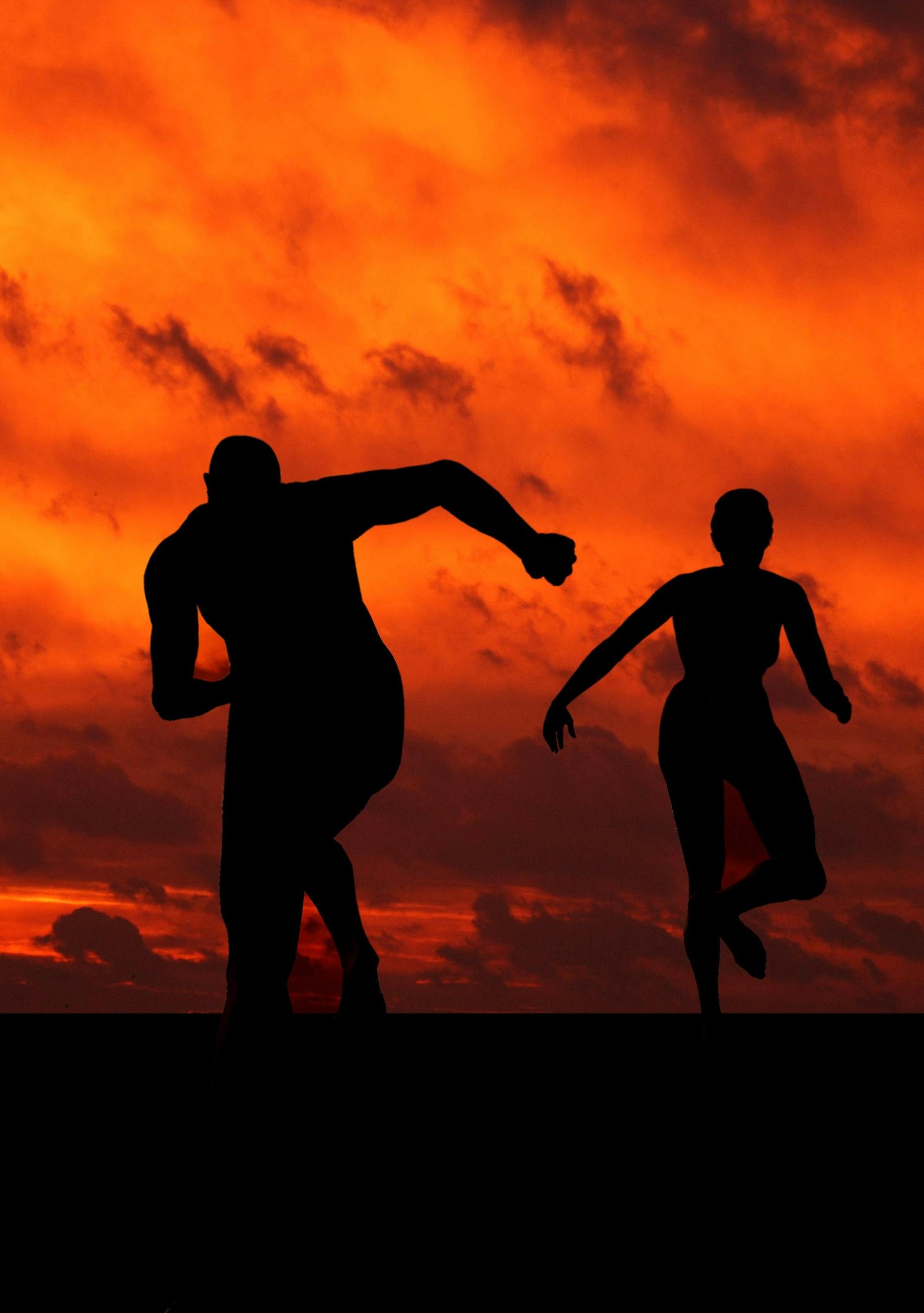
In today's globalized world, Sports serve as a uniting force that transcends cultural and geographical boundaries. They bring people together, fostering camaraderie, teamwork, and healthy competition. However, as sports continue to gain popularity around the world, the issue of complaints related to cultural diversity has come to the forefront. Cultural diversity enriches the world of sports, bringing a variety of playing styles, traditions, and fan experiences. Athletes from different backgrounds and cultures often find themselves playing alongside, or against, individuals with contrasting belief systems and customs. While this diversity is a strength, it can also lead to misunderstandings, conflicts, and complaints if not managed effectively. One common complaint related to cultural diversity in sports is the lack of understanding or appreciation for cultural nuances. Athletes, coaches, and fans may unknowingly engage in behaviors or make remarks that are offensive or disrespectful to individuals from different cultural backgrounds. This can lead to tensions, resentment, and a breakdown in relationships within the sports community. Another issue that often arises is the unequal treatment of athletes from diverse backgrounds. Discrimination based on race, ethnicity, religion, or nationality continues to be a prevalent problem in sports, leading to complaints of unfair treatment or biased decision-making. Addressing these issues requires a commitment to promoting diversity, equity, and inclusion within sports organizations and communities. Furthermore, cultural differences in communication styles and attitudes towards competition can also result in complaints among athletes and teams. What may be considered acceptable behavior or strategies in one culture may be perceived differently in another. Finding common ground and promoting open dialogue are essential in bridging these gaps and fostering mutual respect and understanding. To effectively address complaints related to cultural diversity in sports, it is crucial for all stakeholders to engage in ongoing education, training, and dialogue. Sports organizations can implement cultural competency workshops, diversity training programs, and sensitivity awareness initiatives to promote inclusivity and respect within the sporting community. In conclusion, sports have the power to bring people together from all walks of life, celebrating diversity and unity on the playing field. By recognizing and addressing complaints related to cultural diversity, we can create a more inclusive and welcoming environment for athletes, coaches, and fans of all backgrounds. Let's embrace the richness of cultural diversity in sports and strive towards a world where differences are celebrated and respected. If you're interested in this topic, I suggest reading https://www.tknl.org
https://periodization.org
Leave a Comment:
SEARCH
Recent News
- Zurich, Switzerland: The Ideal Destination for Sport Periodization
- Zurich, Switzerland: A Hub for Sports Championships
- Zurich, Switzerland has long been known for its exceptional quality of life, beautiful surroundings, and high standard of healthcare. In contrast, the Russian healthcare system has faced various challenges and struggles over the years. Let's delve into the differences between the healthcare systems in Zurich, Switzerland, and Russia.
- In the bustling city of Zurich, Switzerland, finding healthy fast food options can be a challenge. However, with a little exploration and curiosity, you can discover some fantastic spots that offer nutritious and delicious meals on the go.
- Maximizing Your YouTube Content Creation Strategy through Sport Periodization
- ## Cracking the Code: YouTube Content Creation and Translation in Sports Championships
- YouTube Content Creation: Exploring the Russian Healthcare System
- Are you looking for tips on creating YouTube content about healthy fast food options and the importance of translation in reaching a wider audience? Let's dive into how you can combine these two aspects to create engaging and informative videos for your channel.
READ MORE
11 months ago Category :

Zurich, Switzerland: The Ideal Destination for Sport Periodization
Read More →11 months ago Category :

Zurich, Switzerland: A Hub for Sports Championships
Read More →11 months ago Category :

Zurich, Switzerland has long been known for its exceptional quality of life, beautiful surroundings, and high standard of healthcare. In contrast, the Russian healthcare system has faced various challenges and struggles over the years. Let's delve into the differences between the healthcare systems in Zurich, Switzerland, and Russia.
Read More →11 months ago Category :
