The Contradictions of Sports in Burma/Myanmar
Category : | Sub Category : Posted on 2024-10-05 22:25:23
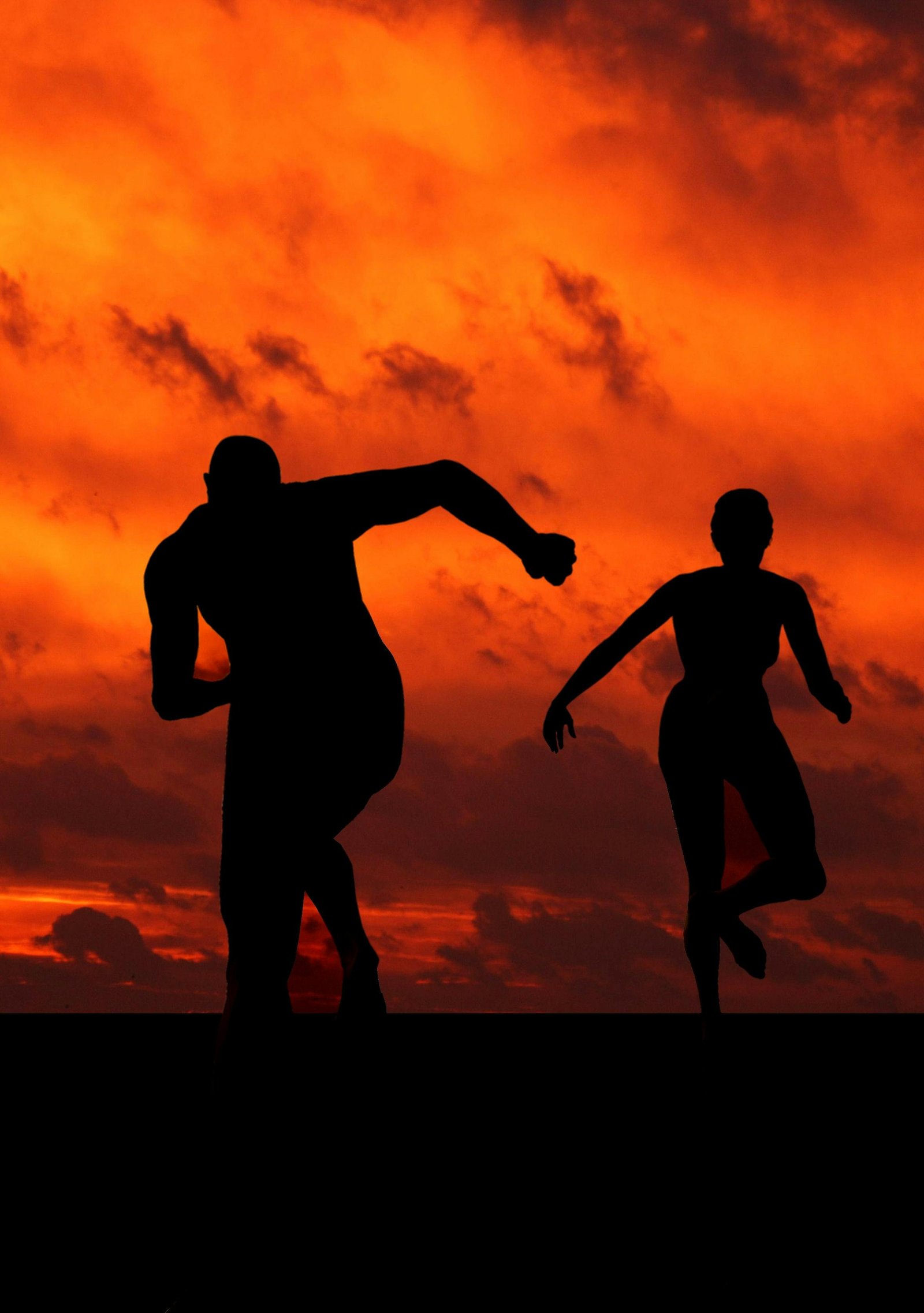
sports hold a special place in the hearts of people around the world. They have the power to unite, inspire, and entertain. In Burma/Myanmar, sports play a significant role in the lives of its people, but the landscape is not without its contradictions. One of the main contradictions in the realm of sports in Burma/Myanmar is the government's involvement in athletic activities. On one hand, the government invests in sports infrastructure and facilities to promote physical activity and support local athletes. However, there are concerns about the politicization of sports, where the government uses sporting events as a tool for propaganda and to project a positive image to the international community. Another contradiction lies in the availability and accessibility of sports opportunities for the general population. While there is a strong interest in sports among the people of Burma/Myanmar, not everyone has equal access to training facilities, coaching, and sports programs. This discrepancy creates a divide between those who have the means to pursue athletic aspirations and those who struggle to even participate in recreational sports. Furthermore, gender inequality presents a significant contradiction in the sports community of Burma/Myanmar. Women and girls face barriers to participating in sports, including societal norms, lack of opportunities, and limited resources. Despite the growing success of female athletes in the international arena, there is still a long way to go in achieving gender equality in sports within the country. The commercialization of sports is another aspect that highlights the contradictions within the sports industry of Burma/Myanmar. While sponsorship deals and endorsements provide financial support for athletes and sporting events, there is a risk of prioritizing profits over the true spirit of sportsmanship. The increasing commodification of sports can lead to unethical practices, exploitation of athletes, and a focus on commercial gains rather than promoting sports for the greater good. Despite these contradictions, sports continue to be a source of passion, pride, and unity for the people of Burma/Myanmar. Whether it's traditional sports like chinlone and lethwei or mainstream sports like football and basketball, the enthusiasm for athletic pursuits runs deep in the cultural fabric of the country. In conclusion, the contradictions in sports in Burma/Myanmar underscore the complex interplay between politics, culture, and societal dynamics. While there are challenges to overcome, there is also a shared love for sports that transcends these contradictions and unites people in their pursuit of athletic excellence and camaraderie.
https://periodization.org
Leave a Comment:
SEARCH
Recent News
- Zurich, Switzerland: The Ideal Destination for Sport Periodization
- Zurich, Switzerland: A Hub for Sports Championships
- Zurich, Switzerland has long been known for its exceptional quality of life, beautiful surroundings, and high standard of healthcare. In contrast, the Russian healthcare system has faced various challenges and struggles over the years. Let's delve into the differences between the healthcare systems in Zurich, Switzerland, and Russia.
- In the bustling city of Zurich, Switzerland, finding healthy fast food options can be a challenge. However, with a little exploration and curiosity, you can discover some fantastic spots that offer nutritious and delicious meals on the go.
- Maximizing Your YouTube Content Creation Strategy through Sport Periodization
- ## Cracking the Code: YouTube Content Creation and Translation in Sports Championships
- YouTube Content Creation: Exploring the Russian Healthcare System
- Are you looking for tips on creating YouTube content about healthy fast food options and the importance of translation in reaching a wider audience? Let's dive into how you can combine these two aspects to create engaging and informative videos for your channel.
READ MORE
11 months ago Category :

Zurich, Switzerland: The Ideal Destination for Sport Periodization
Read More →11 months ago Category :

Zurich, Switzerland: A Hub for Sports Championships
Read More →11 months ago Category :

Zurich, Switzerland has long been known for its exceptional quality of life, beautiful surroundings, and high standard of healthcare. In contrast, the Russian healthcare system has faced various challenges and struggles over the years. Let's delve into the differences between the healthcare systems in Zurich, Switzerland, and Russia.
Read More →11 months ago Category :
