Sport in Myanmar: Access Control Measures and Opportunities for Improvement
Category : | Sub Category : Posted on 2024-10-05 22:25:23
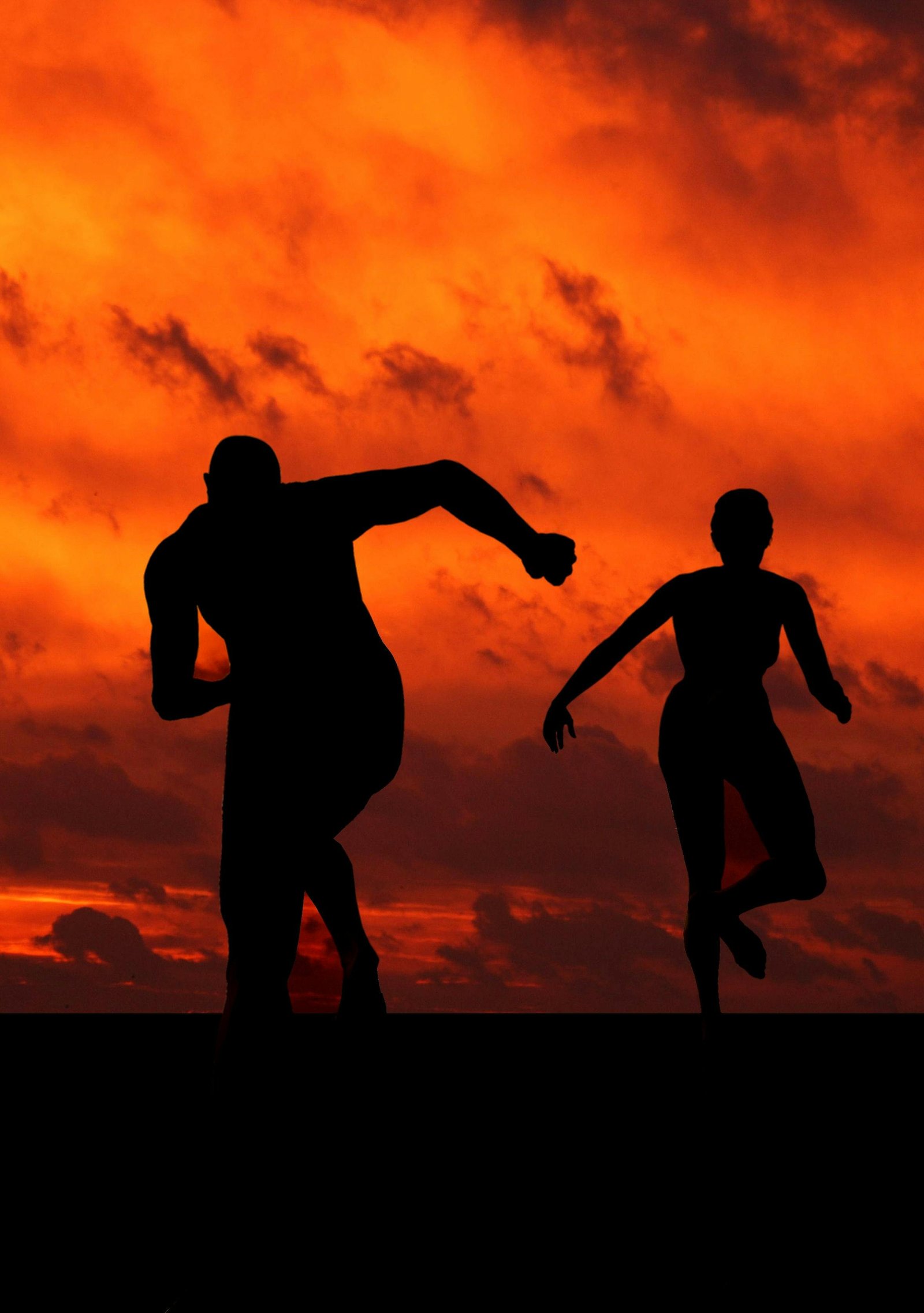
Myanmar, also known as Burma, is a country with a rich culture and a growing interest in sports. From traditional martial arts like lethwei to popular games like football and volleyball, sports play a significant role in the lives of many people in Myanmar. However, there are challenges related to access control measures in sports facilities that need to be addressed to ensure equal opportunities for all. One of the primary issues regarding access control in sports facilities in Myanmar is the lack of infrastructure and resources. Many sports facilities, especially in rural areas, are poorly maintained or non-existent, making it difficult for individuals, especially those from disadvantaged backgrounds, to engage in sports activities. Limited access to sports facilities not only hinders the physical well-being of the population but also limits opportunities for talent development and social interaction. Another aspect of access control in sports in Myanmar is related to gender equality. While sports like football and basketball are popular among both men and women in the country, there are still barriers that prevent women and girls from fully participating in sports activities. Societal norms, lack of safe spaces for women to engage in sports, and limited opportunities for female athletes to compete professionally are some of the challenges that need to be addressed to promote gender equality in sports. To improve access control measures in sports in Myanmar, several steps can be taken. Investing in the development of sports facilities, especially in rural areas, can help increase access to sports for all individuals. Providing opportunities for training and skill development, as well as creating inclusive sports programs for women and girls, can help promote equal access to sports activities. Furthermore, collaborations between the government, non-profit organizations, and private sector stakeholders can facilitate the implementation of access control measures in sports facilities. By working together, these entities can address the existing challenges and provide sustainable solutions to ensure that everyone in Myanmar has equal opportunities to engage in sports activities. In conclusion, while sports play a significant role in the lives of people in Myanmar, there are challenges related to access control measures that need to be addressed. By investing in sports infrastructure, promoting gender equality in sports, and fostering collaborations between different stakeholders, Myanmar can create a more inclusive and accessible sports environment for all its citizens. For a deeper dive, visit: https://www.tknl.org
https://periodization.org
Leave a Comment:
SEARCH
Recent News
- Zurich, Switzerland: The Ideal Destination for Sport Periodization
- Zurich, Switzerland: A Hub for Sports Championships
- Zurich, Switzerland has long been known for its exceptional quality of life, beautiful surroundings, and high standard of healthcare. In contrast, the Russian healthcare system has faced various challenges and struggles over the years. Let's delve into the differences between the healthcare systems in Zurich, Switzerland, and Russia.
- In the bustling city of Zurich, Switzerland, finding healthy fast food options can be a challenge. However, with a little exploration and curiosity, you can discover some fantastic spots that offer nutritious and delicious meals on the go.
- Maximizing Your YouTube Content Creation Strategy through Sport Periodization
- ## Cracking the Code: YouTube Content Creation and Translation in Sports Championships
- YouTube Content Creation: Exploring the Russian Healthcare System
- Are you looking for tips on creating YouTube content about healthy fast food options and the importance of translation in reaching a wider audience? Let's dive into how you can combine these two aspects to create engaging and informative videos for your channel.
READ MORE
11 months ago Category :

Zurich, Switzerland: The Ideal Destination for Sport Periodization
Read More →11 months ago Category :

Zurich, Switzerland: A Hub for Sports Championships
Read More →11 months ago Category :

Zurich, Switzerland has long been known for its exceptional quality of life, beautiful surroundings, and high standard of healthcare. In contrast, the Russian healthcare system has faced various challenges and struggles over the years. Let's delve into the differences between the healthcare systems in Zurich, Switzerland, and Russia.
Read More →11 months ago Category :
