The Intersection of Sport, Art & Design in Architecture
Category : | Sub Category : Posted on 2024-10-05 22:25:23
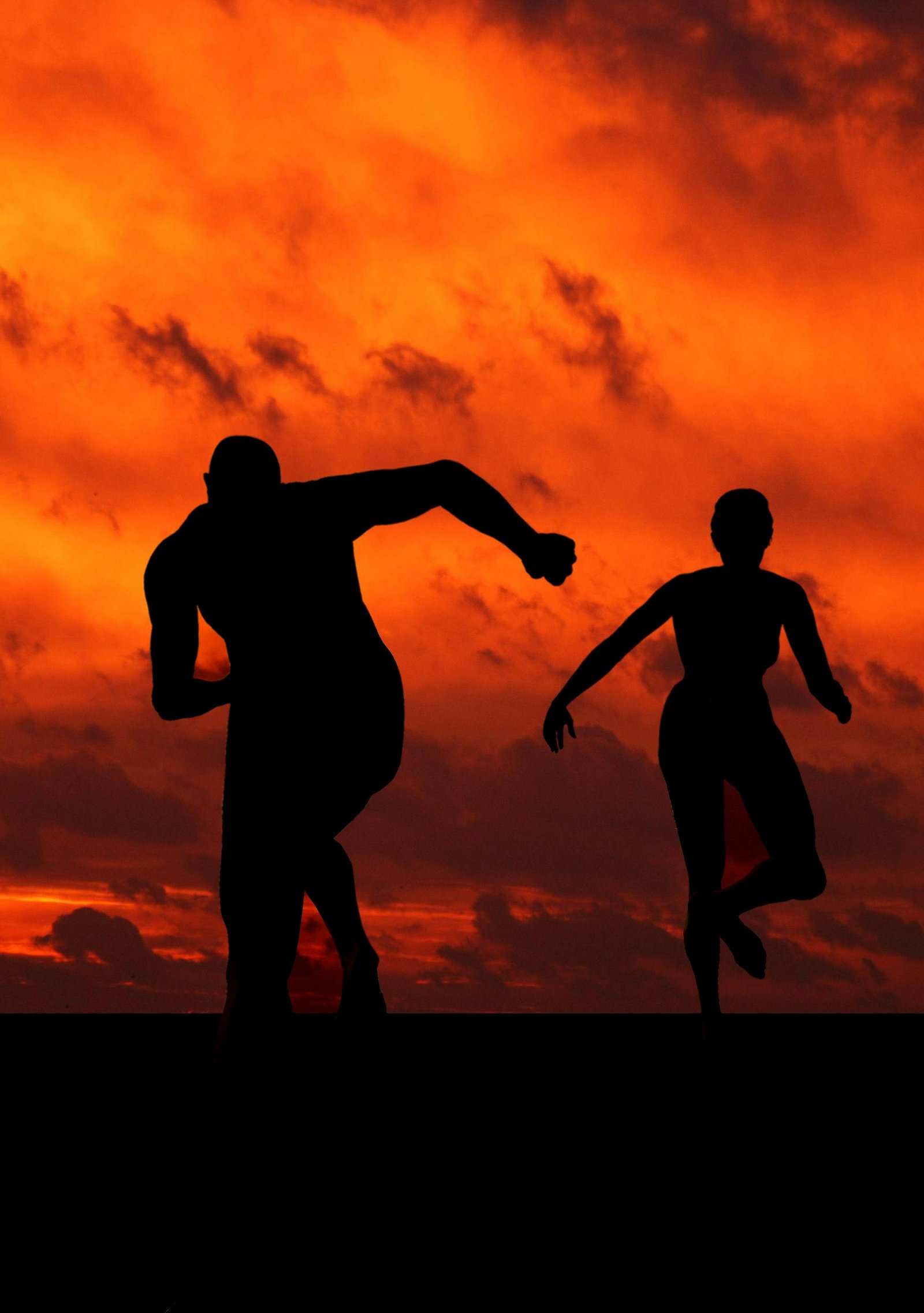
sport has long been a source of inspiration for artists and designers, influencing various aspects of creative expression, including architecture. The fusion of these elements results in captivating structures that not only serve functional purposes but also embody the essence of athleticism and movement. Let's delve into the fascinating world where sport, art, and design converge in architecture. One of the most iconic examples of sport-inspired architecture is the Beijing National Stadium, also known as the Bird's Nest, designed for the 2008 Olympic Games. The intricate lattice-like structure of the stadium mimics the appearance of a bird's nest and symbolizes the unity and harmony of the athletes competing within its confines. The stadium's dynamic form evokes a sense of movement and energy, capturing the spirit of competition and athleticism. Similarly, the Yas Viceroy Hotel in Abu Dhabi, located adjacent to the Yas Marina Circuit, home to the Formula 1 Abu Dhabi Grand Prix, showcases a futuristic design that reflects the high-octane world of motorsport. The hotel's curvilinear shape and illuminated LED facade create a striking visual spectacle that pays homage to the speed and excitement of Formula 1 racing. Sporting venues such as basketball arenas, football stadiums, and swimming complexes also provide a canvas for architectural innovation. The Mercedes-Benz Stadium in Atlanta, with its retractable roof inspired by the oculus of the Roman Pantheon, seamlessly blends form and function to enhance the spectator experience. The stadium's striking design transforms the traditional notion of a sports venue into a modern architectural marvel. Beyond sporting arenas, sports-inspired architecture extends to leisure facilities, recreation centers, and urban landscapes. Skate parks, for example, fuse sport and design to create dynamic spaces that cater to the skateboarding community while adding a creative element to the built environment. The innovative use of materials, shapes, and colors in these recreational spaces reflects the playful and dynamic nature of action sports. In conclusion, the integration of sport, art, and design in architecture results in compelling structures that celebrate the spirit of athleticism, movement, and competition. From iconic stadiums to urban parks, these creations not only serve practical functions but also inspire and engage communities around the world. As architects continue to draw inspiration from the world of sports, we can expect to see more innovative and awe-inspiring designs that push the boundaries of architectural creativity. Whether you're a sports enthusiast, an art lover, or simply appreciate innovative design, the fusion of sport, art, and design in architecture offers a rich tapestry of creativity and inspiration for all to enjoy.
https://periodization.org
Leave a Comment:
SEARCH
Recent News
- Zurich, Switzerland: The Ideal Destination for Sport Periodization
- Zurich, Switzerland: A Hub for Sports Championships
- Zurich, Switzerland has long been known for its exceptional quality of life, beautiful surroundings, and high standard of healthcare. In contrast, the Russian healthcare system has faced various challenges and struggles over the years. Let's delve into the differences between the healthcare systems in Zurich, Switzerland, and Russia.
- In the bustling city of Zurich, Switzerland, finding healthy fast food options can be a challenge. However, with a little exploration and curiosity, you can discover some fantastic spots that offer nutritious and delicious meals on the go.
- Maximizing Your YouTube Content Creation Strategy through Sport Periodization
- ## Cracking the Code: YouTube Content Creation and Translation in Sports Championships
- YouTube Content Creation: Exploring the Russian Healthcare System
- Are you looking for tips on creating YouTube content about healthy fast food options and the importance of translation in reaching a wider audience? Let's dive into how you can combine these two aspects to create engaging and informative videos for your channel.
READ MORE
11 months ago Category :

Zurich, Switzerland: The Ideal Destination for Sport Periodization
Read More →11 months ago Category :

Zurich, Switzerland: A Hub for Sports Championships
Read More →11 months ago Category :

Zurich, Switzerland has long been known for its exceptional quality of life, beautiful surroundings, and high standard of healthcare. In contrast, the Russian healthcare system has faced various challenges and struggles over the years. Let's delve into the differences between the healthcare systems in Zurich, Switzerland, and Russia.
Read More →11 months ago Category :
